The Top 5 Trucking Trends
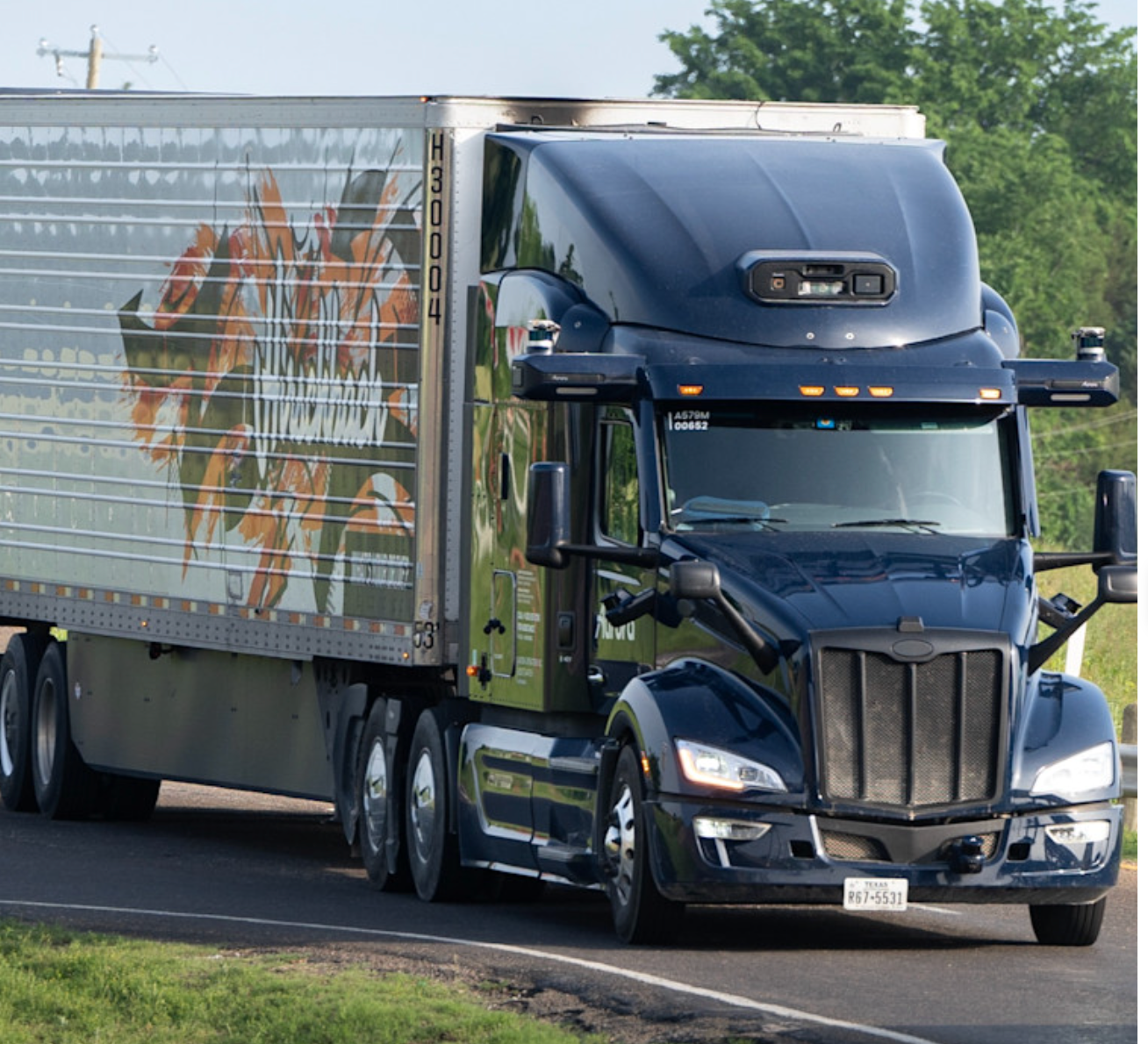
Photo: Aurora.tech
The trucking industry is transforming. Advances in technology, sustainability initiatives, and shifting supply chain demands are changing the way freight is transported globally. As businesses continue to adapt to digital logistics and increasing consumer expectations, this year is expected to bring significant innovation to the trucking sector.
From artificial intelligence (AI) and autonomous vehicles to electrification and real-time visibility, the future of trucking is becoming smarter, greener, and more efficient. Let’s check out the top five trucking trends for 2026 that fleet owners, logistics companies, and supply chain leaders should know.
1. Autonomous Trucks Moving Toward Commercial Deployment
One of the most widely discussed developments in the trucking industry is autonomous trucking technology. While self-driving trucks have been tested for years, 2026 marks the period when pilot programs are evolving into commercial deployments. For example, Torc has been testing its autonomous trucks on public roads in Ann Arbor, Michigan.
Companies developing autonomous freight systems are beginning to run driverless operations on specific highways, particularly for long-haul routes between logistics hubs. These vehicles use advanced sensors, AI-driven decision-making systems, and LiDAR technology to detect road conditions and navigate safely.
2. AI Optimizing Freight Operations
Truck drivers already know artificial intelligence is rapidly becoming the operational brain of modern trucking fleets. From predictive analytics to automated dispatching, logistics companies can now make smarter decisions in real time.
A large percentage of logistics companies are already experimenting with AI to improve supply chain visibility and decision-making. By analyzing massive volumes of shipment data, AI tools can identify patterns that humans might miss, helping companies reduce costs and maximize asset utilization. As competition in logistics intensifies, AI-driven freight management systems will become a competitive advantage for carriers and brokers alike.
3. Electric and Alternative-Fuel Trucks Adoption
Sustainability is shaping the trucking industry. Governments, customers, and environmental regulations are pushing transportation companies toward zero-emission and low-emission vehicles.
Electric trucks and alternative-fuel vehicles (e.g., hydrogen-powered trucks) are becoming increasingly viable thanks to advances in battery technology and charging infrastructure. Many trucking companies are investing heavily in electric fleets to reduce their carbon footprint and operating expenses. As batteries improve and charging networks expand, electric trucks are expected to become a larger part of commercial freight transportation.
4. Smart Fleet Management and Real-Time Data Visibility
Fleet management is becoming data-driven and connected. Telematics, IoT sensors, and cloud-based fleet management platforms are giving logistics managers real-time insights into vehicle performance, driver behavior, and cargo conditions.
Predictive maintenance is helping companies reduce unexpected breakdowns by identifying potential issues before they cause disruptions. Industry forecasts most new heavy-duty trucks will soon include connected technology systems, enabling fleet managers to monitor operations remotely and improve overall efficiency.
5. Digital Freight Platforms and Connected Supply Chains
Another key trend shaping trucking is the use of digital freight marketplaces and integrated logistics platforms.
These platforms connect shippers, brokers, and carriers through centralized systems that simplify freight booking, tracking, and payments. Instead of relying on manual processes and phone calls, logistics operations are becoming fully digital ecosystems.
The adoption of digital freight marketplaces has grown significantly in recent years, reflecting a broader push toward digitized and automated supply chain operations. As the logistics industry continues to modernize, companies that utilize digital platforms will become faster, more efficient, and provide better customer service.
Final Thoughts
The trucking industry is evolving rapidly, and this year will spotlight innovation in freight transportation. Autonomous trucks, artificial intelligence, electrification, smart fleet management, and digital logistics platforms are all transforming how goods move across supply chains.
For trucking companies and logistics providers, adapting to these trends will enable them to remain competitive in a fast-changing marketplace. Businesses that invest in technology, sustainability, and data-driven operations today will be best positioned to lead the next generation of freight transportation.