Top Six Things Contractors Should Know Before Scheduling a Material Delivery

The right truck needs to arrive at the right location, at the right time, with the right load and enough information to complete the delivery safely and efficiently. When those details aren't coordinated, a material delivery can quickly become a source of delays, additional costs, and unnecessary headaches.
For contractors and developers in Reading, PA, Berks County, and the tri-state area, thoughtful delivery planning can help keep crews productive and construction schedules on track.
Here's what you should consider before scheduling your next material delivery.
1. Know Exactly What You're Transporting
Before contacting a trucking company, have a clear understanding of the materials being moved.
Different materials can require different transportation solutions. The type, size, weight, quantity, and configuration of the load can all affect which truck is appropriate.
Before scheduling, be prepared to provide details such as:
- What material is being transported
- Approximate quantity or load size
- Estimated weight
- Dimensions, when applicable
- Where the material is being picked up
- Where it needs to be delivered
- Any special handling or unloading considerations
The more accurate the information, the easier it is for your trucking provider to recommend an appropriate transportation solution.
2. Choose the Right Truck for the Job
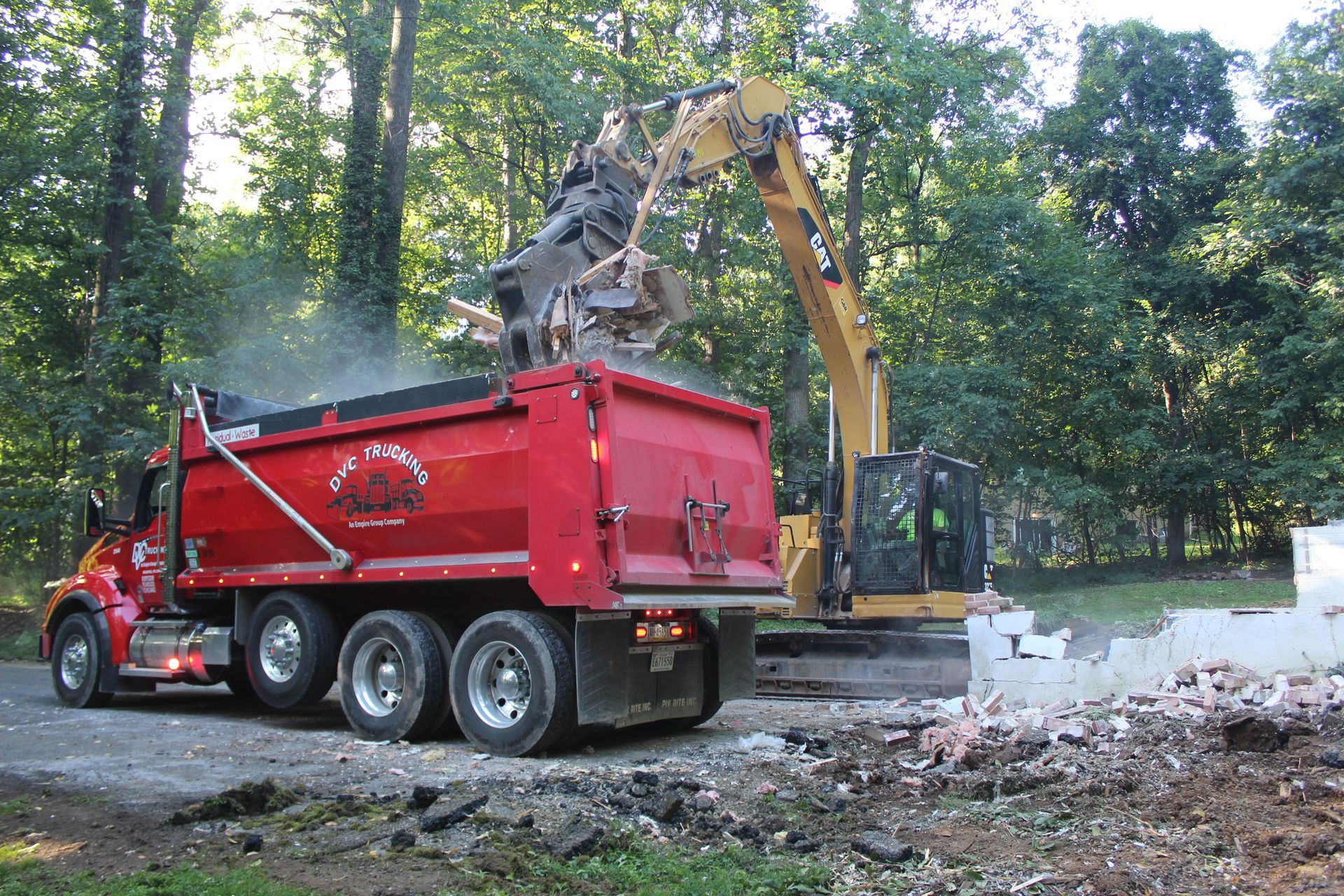
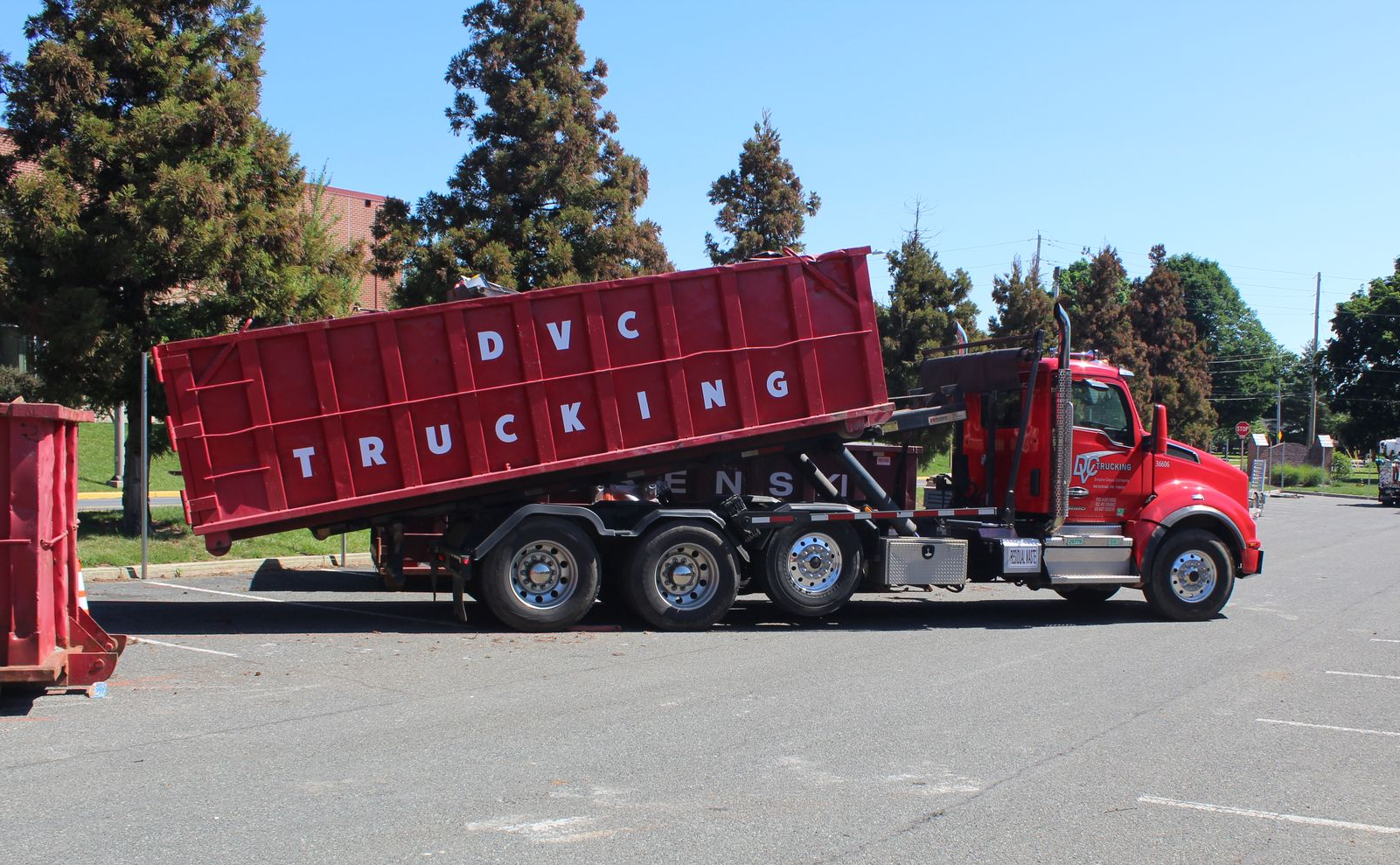
One of the most important decisions is choosing the right vehicle for the load and jobsite. A truck that works well for one construction project may not be the best choice for another. Contractors should consider the characteristics of both the material and the delivery location.
For example, think about:
- Load size and weight
- Available access to the jobsite
- Space for maneuvering
- Where the truck will need to stop
- How materials will be unloaded
- Whether multiple loads are required
Delaware Valley Contractors offers an array of vehicles to accommodate different transportation needs, helping contractors and developers select a solution that fits the project rather than relying on a one-size-fits-all approach.
3. Confirm the Pickup Location
Before scheduling a delivery, make sure the pickup location is clearly identified.
Provide the trucking company with the correct address and any useful information about the pickup point. If the material is coming from a supplier, confirm that the supplier knows when the truck is expected.
It's also worth confirming:
- Pickup hours
- Loading procedures
- Site access
- Contact information
- Whether the material will be ready when the truck arrives
A truck arriving before the material is ready can create unnecessary downtime for everyone involved.
4. Make Sure the Jobsite Is Ready
The delivery location deserves just as much attention as the pickup location.
Before the truck arrives, ask whether the jobsite can safely and practically accommodate the delivery vehicle.
Consider:
- Entrance and exit routes
- Road conditions
- Available space
- Overhead or physical obstructions
- Active construction areas
- Other vehicles or equipment
- Where materials should be placed
- Who will direct the driver upon arrival?
Construction sites change constantly. A delivery route that worked several weeks ago may look completely different today.
If site conditions have changed, communicate those changes immediately to your trucking provider.
5. Schedule Around the Construction Crew
Timing matters.
A delivery should be coordinated with the people who will receive, unload, stage, or use the materials. If the truck arrives while the crew is unavailable, the delivery may be delayed even though the truck arrived on time.
Before scheduling, determine:
When does the jobsite need the material?
Then work backward to account for pickup, transportation, site access, unloading, and any other factors that could affect the schedule.
Good coordination can help reduce waiting time and keep the project moving.
6. Identify the Jobsite Contact
There should be someone available to coordinate the delivery when the truck arrives.
Provide the trucking company with the appropriate contact person's name and phone number. That person should know the delivery is coming and understand where the material needs to go.
This becomes especially important on larger or active construction sites where multiple crews, subcontractors, and deliveries may be operating simultaneously.
Having a designated contact can help the driver get the information needed without unnecessary delays.
Reliable Construction Transportation in Reading, PA and Region
A successful material delivery starts well before a truck arrives at the jobsite.
For contractors and developers, Delaware Valley Contractors provides full-service trucking with an array of vehicles designed to meet a variety of transportation needs.
We understand that every construction project is different. That's why having a versatile trucking resource can make it easier to coordinate material transportation as project needs change.
Whether you're planning a single delivery or managing transportation for an ongoing construction project, the right preparation and the right trucking partner can help keep materials—and your project—moving.
Need transportation for an upcoming construction project? Contact Delaware Valley Contractors to discuss your material delivery needs and determine the right trucking solution for your job.