How Tire Pressure Impacts Fuel Efficiency in the Trucking Industry
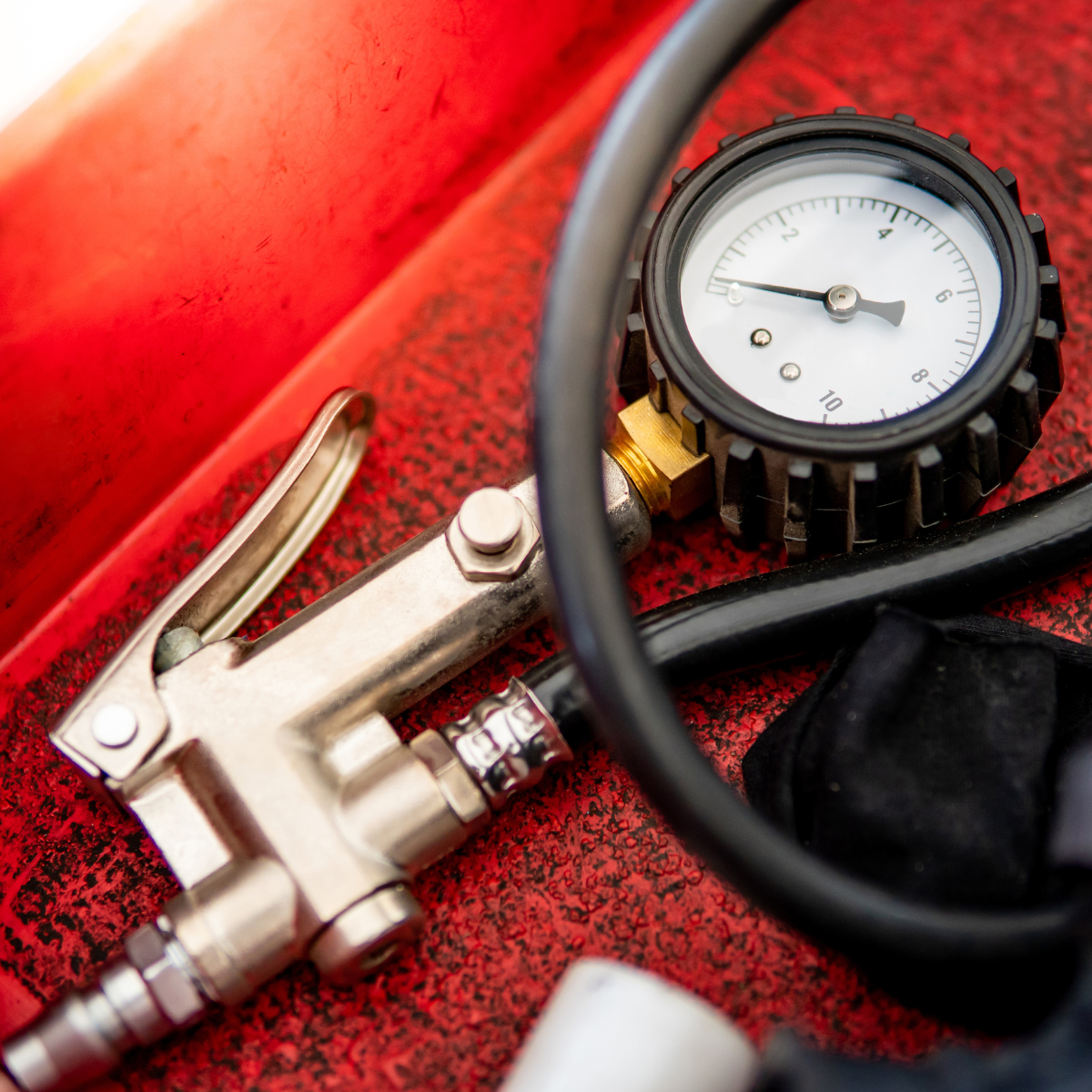
In the trucking industry, fuel is one of the largest operating expenses. Today, everyone is feeling the pain at the pump with soaring fuel prices. Fleet owners, logistics companies, and independent drivers are constantly looking for ways to improve fuel economy without sacrificing performance or safety. One of the most overlooked yet highly effective (and simple) strategies is maintaining proper tire pressure.
Tire pressure directly impacts fuel efficiency, tire longevity, vehicle safety, and overall operating costs. Even slightly underinflated tires can reduce miles per gallon (MPG), increase wear and tear, and create unnecessary strain on commercial trucks.
For fleets operating across long distances, improper tire inflation can cost thousands of dollars annually in wasted fuel and premature tire replacement.
Why Tire Pressure Matters for Commercial Trucks
Commercial trucks carry heavy loads and travel thousands of miles each month. Because of the immense weight placed on tires, proper inflation is critical for maintaining optimal performance.
When truck tires are inflated to the correct PSI (pounds per square inch), they roll more efficiently and create less rolling resistance on the road. Lower rolling resistance means the engine requires less energy to move the vehicle, improving fuel economy.
However, when tires are underinflated, the tire surface flexes more, creating additional friction with the roadway. This forces the engine to work harder and burn more fuel.
How Underinflated Truck Tires Increase Fuel Consumption
Underinflated tires are one of the leading causes of poor fuel efficiency in the trucking industry.
Increased Rolling Resistance
Low tire pressure increases the area of contact between the tire and the road surface. This creates rolling resistance, which directly impacts fuel usage.
The greater the rolling resistance:
- The harder the engine must work.
- The more fuel the truck consumes
- The faster the tires wear out.
- The more heat builds up inside the tire.
For commercial fleets, even a small reduction in fuel efficiency across multiple trucks can lead to substantial annual fuel costs.
The Financial Impact on Trucking Fleets
Fuel expenses represent a significant portion of fleet operating budgets. Maintaining proper tire pressure can help reduce unnecessary fuel spending and improve profitability.
Common Costs Associated With Improper Tire Pressure
- Increased diesel consumption
- Premature tire replacement
- Higher maintenance expenses
- More roadside breakdowns
- Increased downtime
- Reduced tire retread life
For large fleets, poor tire maintenance can translate into tens of thousands of dollars in avoidable costs every year.
Tire Pressure and Load Distribution
Commercial trucks are designed to carry heavy cargo loads across varying terrain and weather conditions. Incorrect tire pressure affects how weight is distributed across the tires and axles.
Improper inflation can cause:
- Uneven tire wear
- Reduced traction
- Poor braking performance
- Steering instability
- Increased risk of blowouts
Maintaining correct tire pressure helps ensure balanced load support and safer vehicle handling.
How Temperature Affects Tire Pressure
Truck tire pressure naturally fluctuates with temperature changes.
Cold Weather Effects
In colder temperatures, air inside the tire contracts, causing PSI levels to drop. During winter months, truck tires can quickly become underinflated if not monitored regularly.
Hot Weather Effects
In warmer temperatures, tire pressure increases as air expands. Combined with highway heat and heavy loads, improperly inflated tires can become dangerous.
Seasonal tire inspections are essential for maintaining safe operating pressure year-round.
Tire Blowouts and Safety Risks
Underinflated commercial truck tires generate excessive heat due to increased flexing. Over time, this heat weakens tire integrity and raises the risk of catastrophic tire failure.
Tire blowouts can lead to:
- Highway accidents
- Cargo damage
- Expensive emergency repairs
- Delayed deliveries
- DOT compliance issues
Routine tire pressure monitoring significantly reduces these risks while improving operational safety.
Final Thoughts
Tire pressure has a direct and measurable impact on fuel efficiency in the trucking industry. Underinflated tires increase rolling resistance, forcing commercial trucks to consume more fuel while accelerating tire wear and increasing safety risks.
With today’s fuel costs, every measure taken to save money is implemented. It only makes sense to start from the ground up on trucks: tires. At
Delaware Valley Contractors, we inspect our tires before and after each journey to ensure they are safe for the road and long-term fleet efficiency.