How Windy Weather Impacts the Trucking Industry
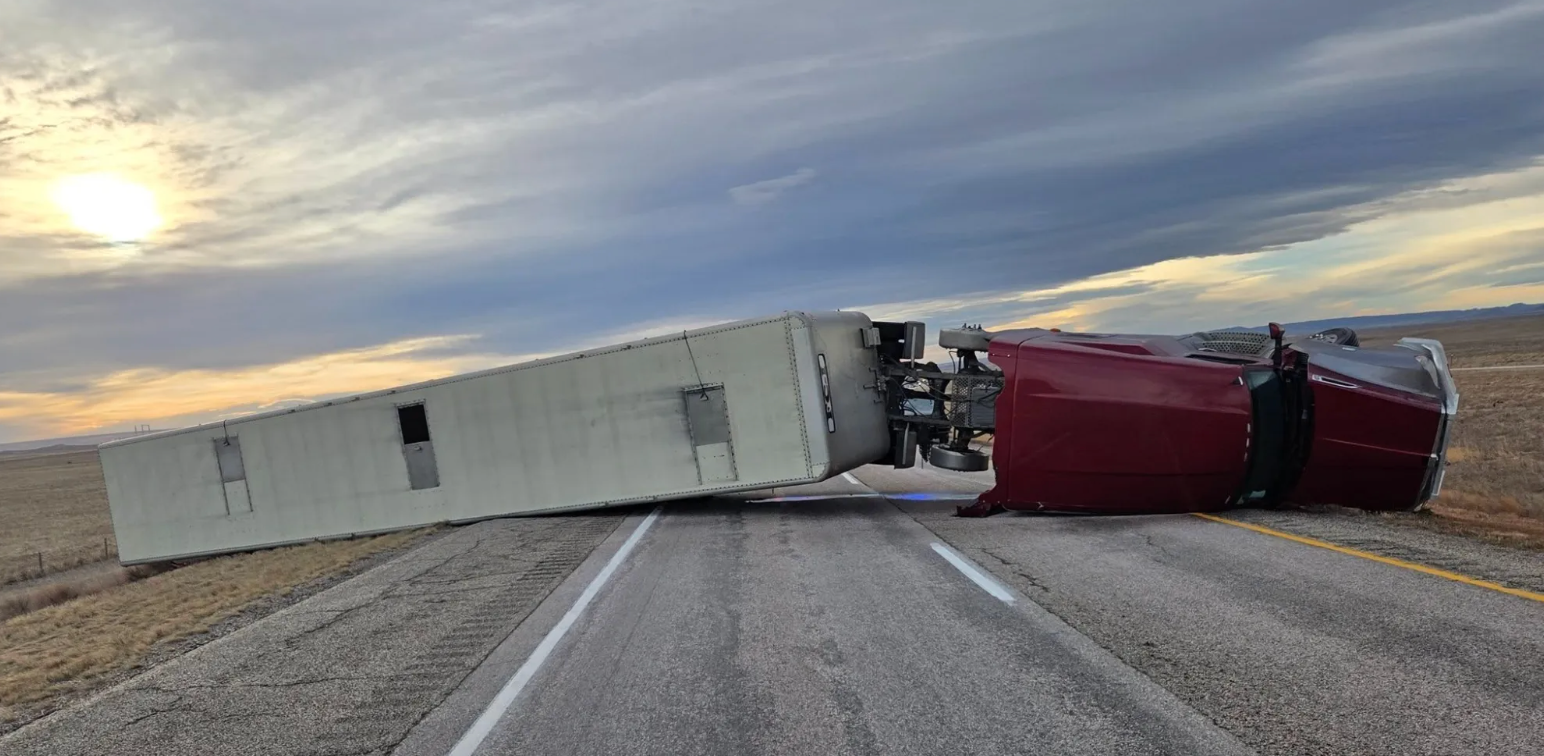
Source: Cap City News/Klark Byrd
Windy weather is more than just an inconvenience for the trucking industry—it’s a serious operational challenge that affects safety, delivery schedules, and overall profitability. Over the past few months, strong wind gusts stretching from the plains to the East Coast have forced truck drivers to take extra precautions to protect themselves, their vehicles, and the public. These conditions are a powerful reminder of how unpredictable wind can be and how important it is to plan for it.
Why Wind Is a Major Safety Concern for Trucking
High winds can quickly turn an open highway into a high-risk environment, especially for trucks hauling light loads. Empty trailers, flatbeds, and refrigerated trucks are particularly vulnerable to strong gusts that can compromise vehicle stability. Sudden crosswinds increase the risk of rollovers, making even routine routes more dangerous.
When wind speeds rise, drivers often have no choice but to slow down, change routes, or pull over entirely. While these decisions are essential for safety, they also create unavoidable delays that affect freight movement and capacity.
From Head to Tailwinds
There are different types of winds that have different effects on a truck. For this blog, we will take a look at three common ones.
Headwinds – Winds that blow directly against a truck, which increases drag, burns more fuel and makes it tough to maintain a speed.
Tailwinds – They blow along the same direction of the truck is traveling, which can increase speed.
Crosswinds – Of the three winds, crosswinds are the most dangerous. These winds have a perpendicular component to the direction a truck is traveling, affecting the truck’s aerodynamics. Wind speeds greater than 60 mph can flip an 18-wheeler or push the truck into another lane (or off the road). It’s important to note that winds over 45 mph are considered hazardous in a semi-truck.
Trucks have a lot of momentum to begin with on highways, so when there are windy conditions, truck drivers must exercise caution to prevent accidents. High winds can cause these types of accidents: truck rollovers, jackknifes, under-rides and lost loads.
Smart Planning Turns Risk Into Resilience
While wind is uncontrollable, preparation is not. Windy conditions highlight the importance of strategic planning, technology, and communication in modern trucking operations.
Carriers that invest in real-time weather monitoring and route optimization tools are better equipped to anticipate dangerous conditions and make informed decisions. Proactive driver support—such as guidance on when to pause or reroute—helps reduce risk while keeping operations as efficient as possible.
There are several tips to safely drive a truck in windy weather, including:
1. Check the weather report before your trip to plan accordingly.
2. Secure all doors, exposed items and your load (i.e., light loads).
3. Be aware of your surroundings when traveling for flying debris and vehicle accidents. Do not pass other vehicles or make sudden lane changes. Be especially cautious when driving through tunnels and on bridges and overpasses.
4. If you decide to pull over, try to park next to a building to block some of the wind hitting your truck.
Clear and transparent communication is just as critical. Keeping customers informed during weather events helps manage expectations, protect trust, and reinforce reliability, even when circumstances are unpredictable.
Wind Preparedness as a Competitive Advantage
In an industry where efficiency, safety, and reliability matter more than ever, weather preparedness has become a competitive advantage. Trucking companies that acknowledge the impact of windy weather and plan accordingly are better positioned to protect their drivers, meet customer expectations, and control costs.