Five Remarkable Bridges That Showcase Engineering Excellence

Delaware Valley Contractors • July 31, 2026

From crossing busy rivers to spanning vast bays, bridges are more than transportation routes; they are engineering achievements that connect communities, strengthen commerce, and keep people and goods moving safely. Every day, millions of drivers travel across bridges without realizing the incredible planning, innovation, and construction expertise required to build them.


At Delaware Valley Contractors (DVC), we appreciate the craftsmanship and precision that go into every infrastructure project. While our team specializes in heavy hauling and transportation solutions that support major construction projects throughout the region, we also recognize the remarkable engineering that makes modern transportation possible.


Here are five extraordinary bridges that have transformed travel and continue to inspire engineers and contractors alike.

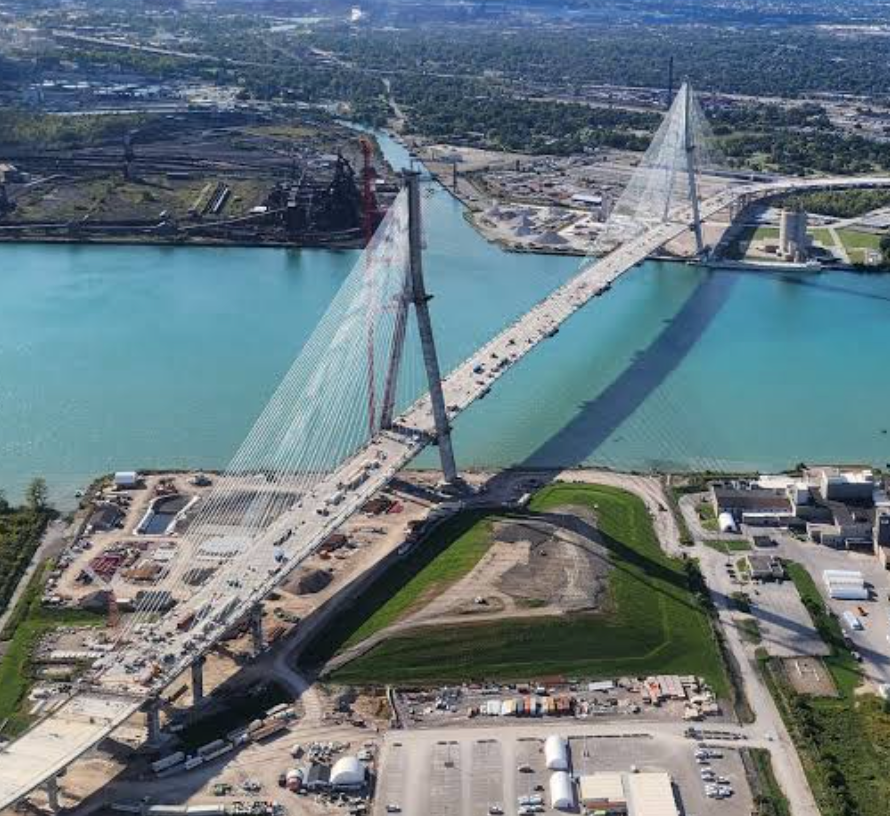
1. Gordie Howe International Bridge

Connecting Detroit, Michigan, with Windsor, Ontario, across the Detroit River, the Gordie Howe International Bridge is one of North America's newest and most significant transportation projects.


Named after legendary hockey player Gordie Howe, the bridge represents far more than a border crossing. Designed to improve commercial transportation between the United States and Canada, it provides a modern alternative for freight traffic, helping to reduce traffic and costs.


Its impressive design includes:

• 20 passenger vehicle lanes

• 15 commercial truck lanes

• A bus lane

• A shared pedestrian and bicycle path


For the trucking industry, the bridge provides a more efficient route for cross-border commerce and supports the movement of goods between two major economic hubs. Photo credit: gordiehoweinternationalbridge.com


2. Seven Mile Bridge

Stretching across the beautiful Florida Keys, the Seven Mile Bridge has a fascinating history dating back more than a century.


Originally completed in 1912 as part of Henry Flagler's Florida East Coast Railway Key West Extension, the bridge was considered an engineering marvel for its time. Building it required workers to overcome harsh weather, open water, and difficult construction conditions. Flagler financed the bridge, including the tents and bunkhouses for workers. He even imported special cement from England because it could cure underwater while divers positioned bridge components below the surface.


After the devastating Labor Day Hurricane of 1935 destroyed much of the railway, the remaining bridge structure was converted into a roadway. As traffic increased, a wider, safer replacement bridge opened in 1982, creating the modern crossing travelers enjoy today. The old bridge is used for fishing and tourism. Photo credit: Wikipedia


3. Golden Gate Bridge

Few bridges are as recognizable as California's iconic Golden Gate Bridge. Completed in 1937, this suspension bridge connects San Francisco with Sausalito across the Golden Gate Strait. At the time, it was both the world's longest and tallest suspension bridge.


Its construction required creative financing after federal funding was used to build the San Francisco-Oakland Bay Bridge. California established the Golden Gate Bridge and Highway District to make the project possible.


Today, nearly 10 million visitors experience the bridge each year. Continuous maintenance, including its famous International Orange paint, helps preserve the structure against harsh coastal conditions.


One memorable moment occurred during the bridge's 50th anniversary celebration in 1987 when approximately 800,000 pedestrians filled the bridge, causing it to noticeably sag under the extraordinary weight. While the bridge remained structurally safe, future anniversary celebrations were carefully planned to prevent similar issues. Photo Credit: Britannica


4. Chesapeake Bay Bridge

After several failed attempts, the bridge was finally constructed with 57 concrete piers and over 4,000 steel pilings. It evolved into the longest, continuous over-water structure in Maryland. Not to be confused with the Chesapeake Bay Bridge-Tunnel, the bridge opened in 1952, but growing traffic quickly exceeded its capacity in 1967. A second span was completed in 1973, allowing traffic to flow more efficiently in opposite directions.


Both spans are approximately 200 feet above passing ships and connect the Eastern and Western Shores of Maryland. While locals call it the “Bay Bridge” and others call it the “Chesapeake Bay Bridge,” the official name is the William Preston Lane, Jr., Bridge, named after the 52nd governor of Maryland.


Today, the bridge remains one of Maryland's most important transportation corridors, serving commuters, tourists, and commercial traffic alike. Photo Credit: Wikipedia

5. Penobscot Narrows Bridge & Observatory

Located in Stockton Springs, Maine, this cable-stayed bridge spans 2,100 feet, connecting Verona Island to Prospect, rising 135 feet above the Penobscot River. It’s the world’s tallest bridge and observatory (one of four in the world). They combine transportation with tourism in a truly unique way.


Opened in 2006, the cable-stayed bridge replaced the aging Waldo-Hancock Bridge.  What makes this bridge especially distinctive is its public observatory, offering breathtaking 360-degree views of coastal Maine, historic Fort Knox, the Penobscot River, and the surrounding landscape. It’s the tallest “perch” in Maine.


The bridge and observatory took only 42 months to build by two construction companies—quite a feat! The MaineDOT, designer, and contractors collaborated to design and build each section and the observatory in sequence. Photo Credit: MaineMonitor


Engineering That Connects Communities

Every bridge tells a story of determination, innovation, and teamwork. From constructing railroad bridges over open water to building modern international crossings that support global commerce, these structures demonstrate how engineering continues to solve transportation challenges.


For contractors, truck drivers, and infrastructure professionals, bridges are much more than landmarks—they are essential links that keep supply chains moving, connect communities, and support economic growth.


At Delaware Valley Contractors, we understand the importance of dependable transportation infrastructure. Whether hauling construction materials, supporting heavy civil projects, or providing reliable trucking services throughout Pennsylvania and the surrounding region, we're proud to be part of a network that keeps America's infrastructure moving forward.

By Delaware Valley Contractors July 20, 2026
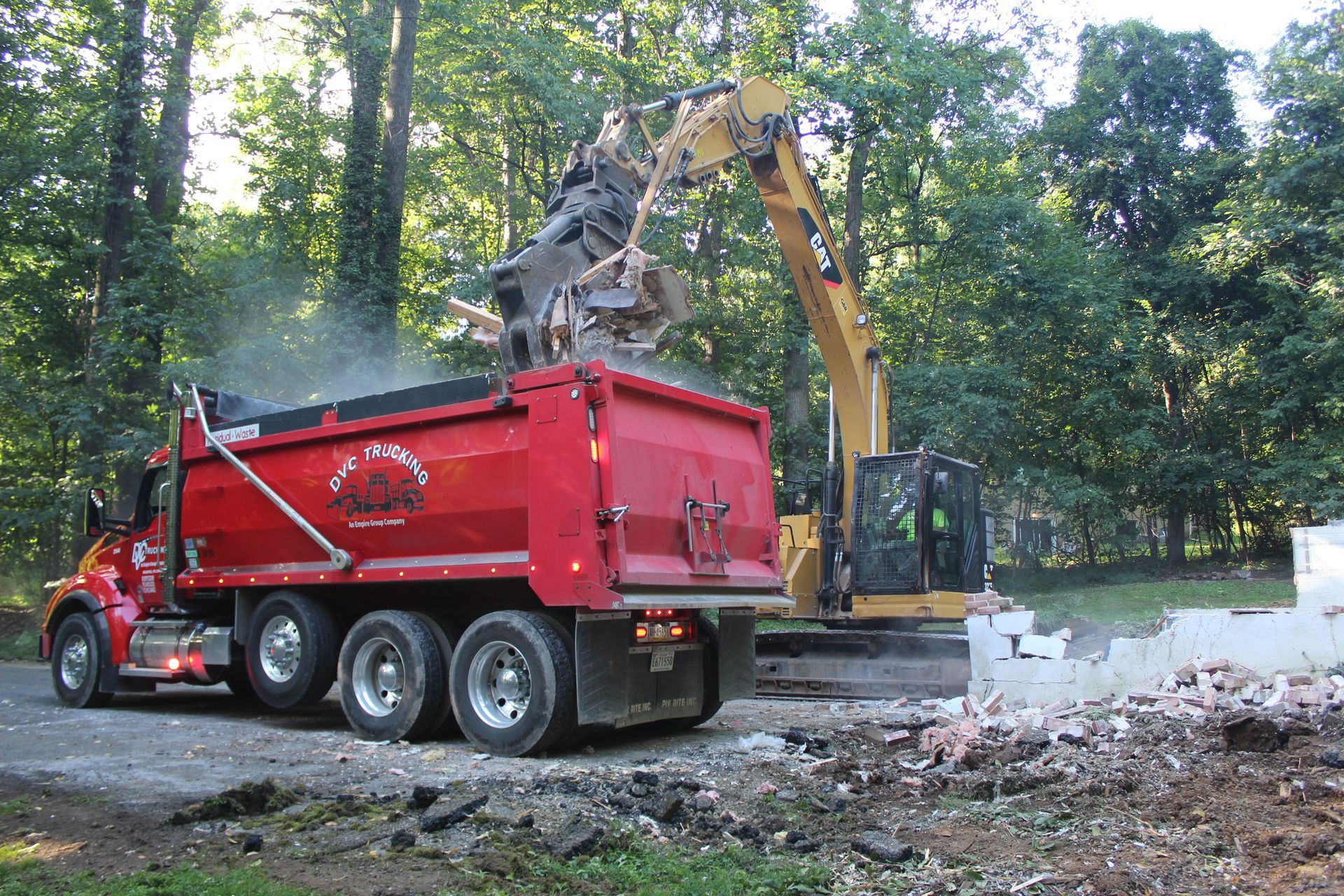
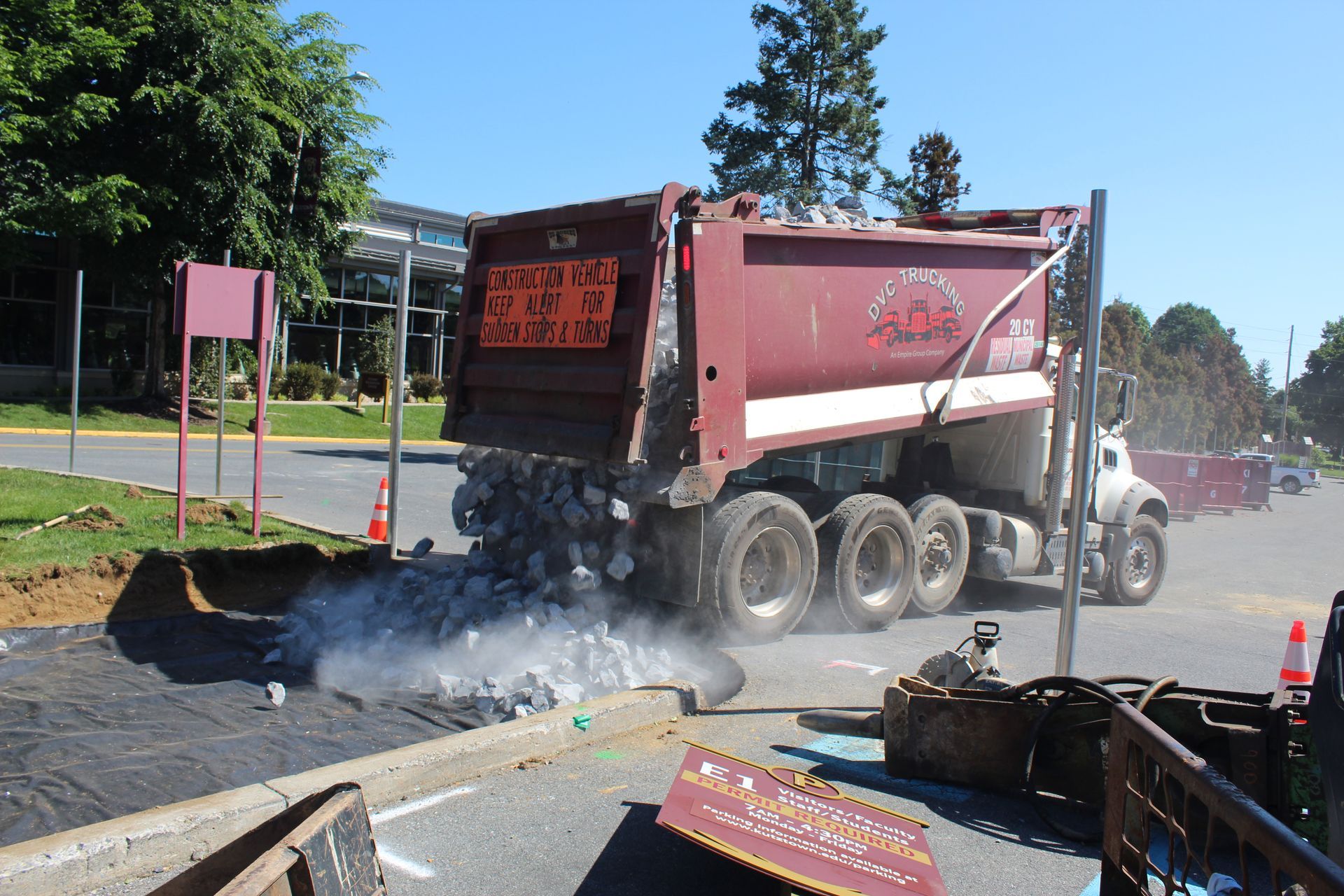
Summer is heating up for our drivers. Delaware Valley Contractors (DVC) has provided transportation for a variety of demolition and excavation projects. Each required a strategic solution to achieve success. Let’s take a look at some project highlights from the past few months.
By Delaware Valley Contractors June 29, 2026
Stay Safe This Independence Day: A Guide for Professional Drivers
By Delaware Valley Contractors June 15, 2026
The trucking industry moves billions of tons of freight across the country each year. While technology has improved efficiency, visibility, and communication throughout the supply chain, it has also created new opportunities for fraud. One of the fastest-growing threats facing carriers, brokers, shippers, and logistics providers today is the rise of "ghost fleets." Ghost fleets are fraudulent trucking operations that appear legitimate on paper but exist primarily to steal freight, commit financial fraud, or exploit weaknesses within the transportation industry. As cargo theft and logistics fraud continue to increase nationwide, understanding ghost fleets has become critical for businesses involved in freight transportation. What Is a Ghost Fleet? A ghost fleet is a fictitious or deceptive trucking company that uses stolen identities, fabricated credentials, or manipulated business records to secure freight loads. These organizations often create convincing online profiles, obtain operating authority, and present themselves as legitimate carriers. In many cases, ghost fleets use: Stolen U.S. Department of Transportation (USDOT) numbers Fraudulent Motor Carrier (MC) numbers Fake insurance documentation Spoofed phone numbers and email addresses Fraudulent websites and business registrations Identity theft involving legitimate carriers Once they gain access to freight opportunities, these bad actors may steal cargo, disappear, or broker loads illegally to unauthorized carriers. Why Are Ghost Fleets Increasing? Several factors have contributed to the growth of ghost fleets across the United States. Increased Digitalization The transportation industry has rapidly embraced digital freight matching platforms, online load boards, electronic documentation, and remote communication tools. While these technologies improve efficiency, they also create opportunities for criminals to exploit verification gaps. High-Value Cargo Opportunities Consumer goods, electronics, pharmaceuticals, food products, and construction materials often carry significant value. Criminal organizations recognize that a single successful theft can result in substantial financial gain. Supply Chain Complexity Modern supply chains involve numerous stakeholders, including shippers, brokers, carriers, warehouses, and third-party logistics providers. The more parties involved, the more opportunities exist for fraudulent actors to infiltrate the process. Sophisticated Fraud Techniques Today's fraudsters are increasingly sophisticated. They can create professional-looking websites, replicate legitimate carrier information, and use AI tools to generate convincing communications that make detection more difficult. Common Ghost Fleet Tactics Understanding how ghost fleets operate can help transportation professionals identify potential warning signs. Identity Cloning One of the most common schemes involves impersonating a legitimate carrier. Fraudsters may copy company logos, DOT numbers, addresses, and insurance information while slightly modifying contact details. Double Brokering In a double-brokering scheme, a fraudulent carrier accepts a load and then reassigns it to another carrier without authorization. This practice creates confusion regarding responsibility, payment, and cargo security. Load Interception Ghost fleets may obtain shipment details and intercept freight before it reaches its intended destination. By posing as the assigned carrier, they can take possession of cargo and disappear. Fake Carrier Authorities Some fraudulent operations obtain legitimate authority through deceptive means and use it to establish credibility before committing theft or fraud. The Financial Impact on the Industry The consequences of ghost fleet activity extend far beyond stolen cargo. Victims may experience: Lost freight and inventory Delayed deliveries Increased insurance premiums Legal disputes Damaged customer relationships Operational disruptions Reputational harm For brokers and shippers, a single fraudulent transaction can result in significant financial losses and long-term business challenges. The Future of Freight Security Ghost fleets represent a growing challenge for the trucking and logistics sectors. However, increased awareness, stronger verification practices, improved technology, and industry collaboration are helping businesses combat this threat. The most successful carriers, brokers, and shippers will be those that prioritize security alongside efficiency. By implementing robust vetting procedures and remaining vigilant, transportation companies can reduce risk and protect valuable cargo from fraudulent operators. Final Thoughts The rise of ghost fleets highlights the importance of diligence in today's increasingly digital transportation landscape. As criminals develop more sophisticated methods for infiltrating supply chains, the industry must take proactive security measures. Whether you're a carrier, freight broker, logistics provider, or shipper, understanding the warning signs of ghost fleet activity can help safeguard your business, protect your customers, and ensure freight reaches its destination safely. By combining technology, training, and thorough verification processes, the trucking industry can continue moving forward while minimizing the risks posed by fraudulent operations.

By Delaware Valley Contractors May 18, 2026
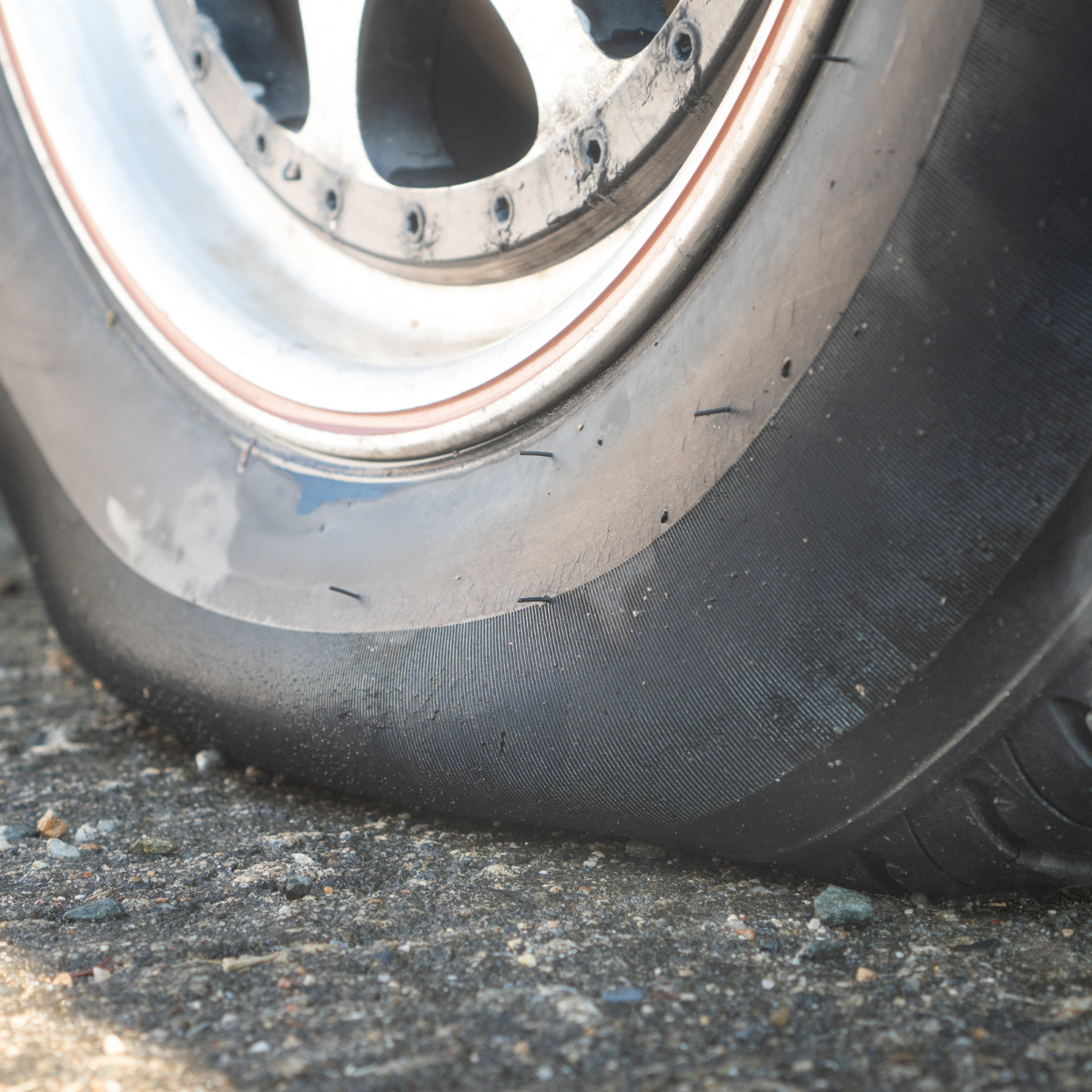
In the trucking industry, fuel is one of the largest operating expenses. Today, everyone is feeling the pain at the pump with soaring fuel prices. Fleet owners, logistics companies, and independent drivers are constantly looking for ways to improve fuel economy without sacrificing performance or safety. One of the most overlooked yet highly effective (and simple) strategies is maintaining proper tire pressure. Tire pressure directly impacts fuel efficiency, tire longevity, vehicle safety, and overall operating costs. Even slightly underinflated tires can reduce miles per gallon (MPG), increase wear and tear, and create unnecessary strain on commercial trucks. For fleets operating across long distances, improper tire inflation can cost thousands of dollars annually in wasted fuel and premature tire replacement. Why Tire Pressure Matters for Commercial Trucks Commercial trucks carry heavy loads and travel thousands of miles each month. Because of the immense weight placed on tires, proper inflation is critical for maintaining optimal performance. When truck tires are inflated to the correct PSI (pounds per square inch), they roll more efficiently and create less rolling resistance on the road. Lower rolling resistance means the engine requires less energy to move the vehicle, improving fuel economy. However, when tires are underinflated, the tire surface flexes more, creating additional friction with the roadway. This forces the engine to work harder and burn more fuel. How Underinflated Truck Tires Increase Fuel Consumption  Underinflated tires are one of the leading causes of poor fuel efficiency in the trucking industry. Increased Rolling Resistance Low tire pressure increases the area of contact between the tire and the road surface. This creates rolling resistance, which directly impacts fuel usage. The greater the rolling resistance: The harder the engine must work. The more fuel the truck consumes The faster the tires wear out. The more heat builds up inside the tire. For commercial fleets, even a small reduction in fuel efficiency across multiple trucks can lead to substantial annual fuel costs. The Financial Impact on Trucking Fleets Fuel expenses represent a significant portion of fleet operating budgets. Maintaining proper tire pressure can help reduce unnecessary fuel spending and improve profitability. Common Costs Associated With Improper Tire Pressure Increased diesel consumption Premature tire replacement Higher maintenance expenses More roadside breakdowns Increased downtime Reduced tire retread life For large fleets, poor tire maintenance can translate into tens of thousands of dollars in avoidable costs every year. Tire Pressure and Load Distribution Commercial trucks are designed to carry heavy cargo loads across varying terrain and weather conditions. Incorrect tire pressure affects how weight is distributed across the tires and axles. Improper inflation can cause: Uneven tire wear Reduced traction Poor braking performance Steering instability Increased risk of blowouts Maintaining correct tire pressure helps ensure balanced load support and safer vehicle handling. How Temperature Affects Tire Pressure Truck tire pressure naturally fluctuates with temperature changes. Cold Weather Effects In colder temperatures, air inside the tire contracts, causing PSI levels to drop. During winter months, truck tires can quickly become underinflated if not monitored regularly. Hot Weather Effects In warmer temperatures, tire pressure increases as air expands. Combined with highway heat and heavy loads, improperly inflated tires can become dangerous. Seasonal tire inspections are essential for maintaining safe operating pressure year-round. Tire Blowouts and Safety Risks Underinflated commercial truck tires generate excessive heat due to increased flexing. Over time, this heat weakens tire integrity and raises the risk of catastrophic tire failure. Tire blowouts can lead to: Highway accidents Cargo damage Expensive emergency repairs Delayed deliveries DOT compliance issues Routine tire pressure monitoring significantly reduces these risks while improving operational safety. Final Thoughts Tire pressure has a direct and measurable impact on fuel efficiency in the trucking industry. Underinflated tires increase rolling resistance, forcing commercial trucks to consume more fuel while accelerating tire wear and increasing safety risks. With today’s fuel costs, every measure taken to save money is implemented. It only makes sense to start from the ground up on trucks: tires. At Delaware Valley Contractors , we inspect our tires before and after each journey to ensure they are safe for the road and long-term fleet efficiency.
By Delaware Valley Contractors May 5, 2026
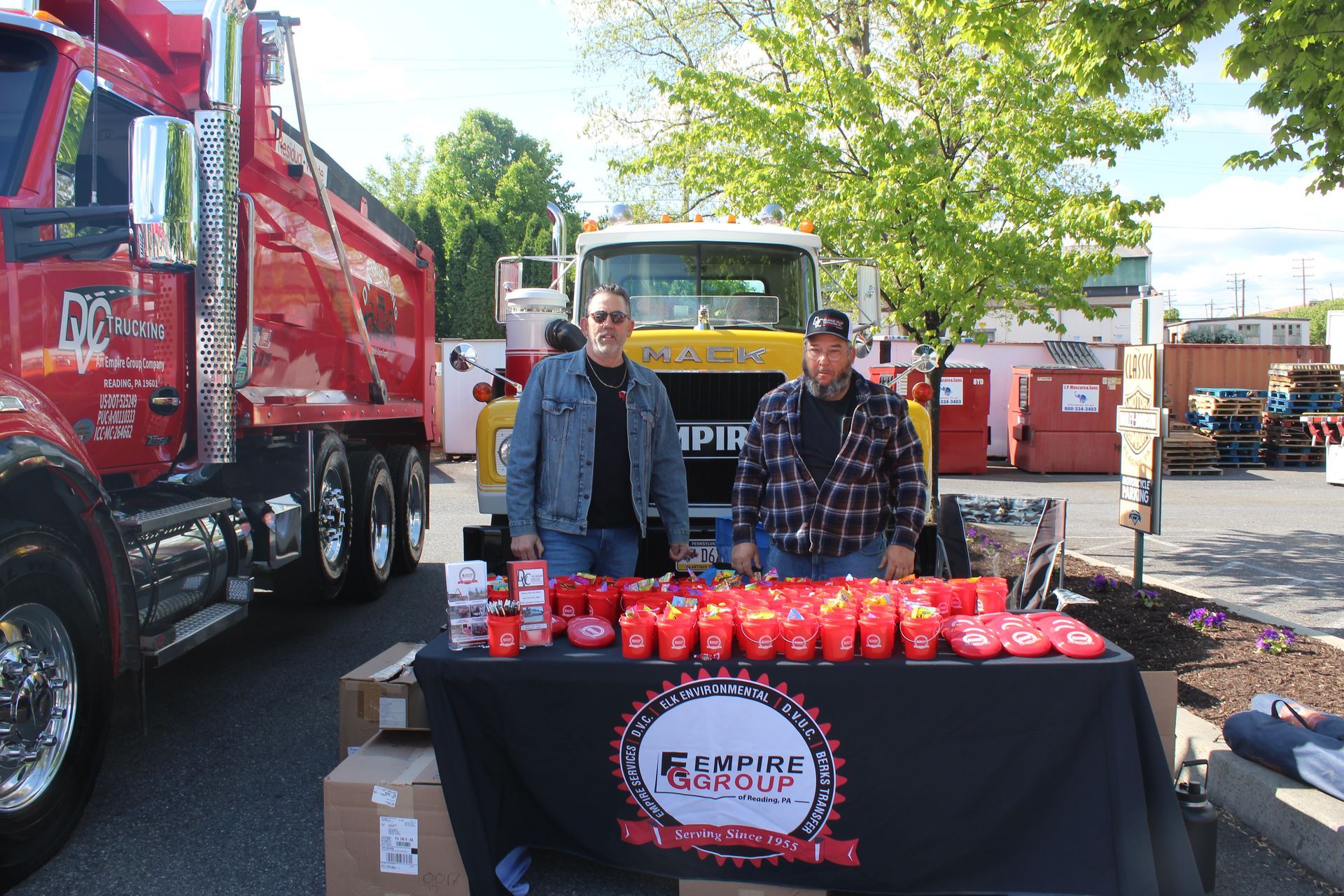
It was chilly and sunny at Touch-a-Truck on Sunday, May 3rd. Despite the breezy weather (unlike last year!), families showed up in full force to experience one of the community’s most exciting, hands-on events of the year. Hosted at FirstEnergy Stadium, this year’s event brought together a variety of businesses, organizations, and nonprofits—and drew a crowd of nearly 2,000 with 45 vehicle exhibits. For Delaware Valley Contractors (DVC), it was the perfect opportunity to connect with the community, showcase our equipment, and inspire the next generation of builders, operators, and problem-solvers.
By Delaware Valley Contractors April 20, 2026
If you’ve traveled across the United States, you’ve seen them—massive hubs along highways serving everything from movies to fuel. But today’s truck stops are far more than a quick stop for diesel. They’ve evolved into full-service destinations where drivers can rest, recharge, and even be entertained. So just how big and impressive have truck stops become? Let’s explore five of the most notable truck stops across the country.
By Delaware Valley Contractors March 23, 2026
Winter weather can slow many operations—but not at Delaware Valley Contractors (DVC). As snowstorms moved through the region and projects continued across the Northeast, the DVC team helped ensure equipment and materials arrived safely and on schedule.
By Delaware Valley Contractors March 6, 2026
Photo: Aurora.tech
By Delaware Valley Contractors February 20, 2026
As freight demand increases and driver shortages persist, trucking companies are under constant pressure to recruit qualified CDL drivers quickly. But there’s a growing problem that fleet owners cannot afford to ignore: “sham” CDL schools. These fraudulent CDL training schools for truck drivers (and school bus drivers) are producing underprepared drivers who hold a license on paper — but lack the skills, knowledge, and safety practices required on the road. For trucking companies, this isn’t just an inconvenience in hiring. It’s a compliance, safety, and financial risk. What Is a Sham CDL School? A sham CDL school is a training provider that fails to meet federal and state standards for commercial driver education. These schools: Employ unqualified instructors Falsify training documentation Improperly train drivers on HAZMAT transportation. Use the wrong equipment to train drivers. Since the Entry-Level Driver Training (ELDT) rule went into effect under the Federal Motor Carrier Safety Administration (FMCSA), all new CDL applicants must complete training from a provider listed in the FMCSA Training Provider Registry. Despite this requirement, some programs attempt to cut corners. Recently, the U.S. Department of Transportation cracked down on these sham CDL schools. The FMCSA conducted on-site investigations at over 1,400 CDL schools, resulting in 550 schools being shut down. Of these, 448 received formal notices of removal, and 109 removed themselves from the registry of schools upon learning of the investigations. This is just another issue plaguing the trucking industry, including high turnover rates and chameleon carriers. Why Sham CDL Schools Are a Direct Threat to Trucking Companies 1. Increased Accident Risk Drivers with inadequate training are more likely to mishandle: Pre-trip inspections Backing and docking procedures Defensive driving situations Adverse weather conditions Hours-of-service compliance One preventable accident can cost a fleet hundreds of thousands of dollars in claims, legal fees, equipment damage, and downtime. 2. Higher Insurance Premiums Insurance carriers analyze driver quality, safety history, and training background. A pattern of hiring undertrained drivers can lead to: Premium increases Coverage limitations Stricter underwriting requirements 3. FMCSA Compliance Exposure If a driver’s ELDT documentation is inaccurate or improperly recorded, your company could face compliance reviews conducted by the FMCSA. 4. Reputation Damage In today’s digital world, safety incidents quickly impact public perception. How Trucking Companies Can Protect Themselves 1. Strengthen Pre-Hire Screening Go beyond verifying a CDL. Ask candidates about: Specific maneuvers they trained on Types of equipment used Real road driving conditions experienced 2. Conduct Internal Skills Evaluations Implement standardized road tests and backing assessments before releasing new drivers solo. 3. Partner with Reputable CDL Schools Develop relationships with established FMCSA-registered training providers. 4. Invest in Finishing Programs Create structured orientation and mentoring programs to reinforce: Safety culture Compliance expectations Defensive driving habits Company SOPs A strong finishing program can identify skill gaps before they turn into incidents. 5. Audit Your Hiring Data Track accidents, violations, and turnover by training source. Patterns will quickly reveal which schools produce quality drivers — and which do not. Why Quality Training Matters More Than Ever With thermonuclear verdicts on the rise and regulatory oversight increasing, fleets must prioritize driver quality over speed-to-hire. A well-trained driver: Reduces liability exposure Protects your CSA scores Improves fuel efficiency Enhances customer confidence Strengthens company culture In contrast, a driver who received inadequate training can put your entire operation at risk. Final Thoughts Sham CDL schools are a growing concern in the United States, and trucking companies must remain vigilant. While the driver shortage creates pressure to move quickly, compromising on training quality can cost far more than an unfilled seat. By tightening your screening process, verifying ELDT compliance, building trusted school partnerships, and investing in structured onboarding, your company can reduce risk while building a stronger, safer fleet. At DVC, we have experienced CDL drivers who have extensive training and a strong commitment to safety, compliance, and professionalism.
By Delaware Valley Contractors February 9, 2026
Road rage isn’t just a passenger car problem. In today’s fast-paced logistics environment, road rage in the trucking industry has become a growing concern—impacting safety, brand reputation, driver retention, and operating costs. For fleet managers and trucking companies, understanding why road rage happens and how to prevent it isn’t just good practice—it’s good business. What Is Road Rage in Trucking? Road rage refers to aggressive or violent behavior triggered by stress, frustration, or anger while driving. In the trucking industry, this can include: Tailgating or brake checking Excessive horn use or verbal threats Unsafe lane changes or speeding Confrontations at rest stops or loading docks Given that commercial vehicles can weigh up to 80,000 pounds, even minor aggressive actions can have serious and sometimes fatal consequences. Why Road Rage Is So Common Among Truck Drivers Truck driving is one of the most demanding professions on the road. Several industry-specific factors increase the risk of road rage: 1. Tight Deadlines and Schedule Pressure Delivery windows, Hours of Service regulations, and shipper delays create intense pressure. When time is money, frustration builds fast. 2. Traffic and Road Conditions Congested highways, construction zones, and unpredictable drivers can test even the calmest professional driver. 3. Long Hours and Fatigue Driver fatigue reduces patience and emotional control, making aggressive reactions more likely. 4. Lack of Respect from Other Motorists Many truck drivers report feeling ignored, cut off, or disrespected by passenger vehicles—fueling anger and resentment. The Real Cost of Road Rage for Trucking Companies Road rage doesn’t just affect drivers—it affects your entire operation. Safety Risks Aggressive driving increases the likelihood of collisions, injuries, and fatalities. Higher Insurance Premiums Accidents tied to aggressive behavior can drive up insurance costs and hurt safety scores. Brand Reputation Damage With dash cams, smartphones, and social media everywhere, one viral incident can seriously harm your company’s image. Driver Turnover A stressful, hostile driving environment contributes to burnout and high turnover—already a major industry challenge. How the Trucking Industry Can Reduce Road Rage The good news? Road rage is preventable. Proactive companies are already taking steps to reduce aggressive driving behaviors. Invest in Driver Training Ongoing training in defensive driving, emotional regulation, and conflict avoidance empowers drivers to stay calm under pressure. Promote a Safety-First Culture When companies prioritize safety over unrealistic delivery times, drivers feel supported—and less stressed. Use Technology Wisely Telematics, dash cameras, and AI-powered driver monitoring tools can identify risky behaviors early and provide coaching opportunities. Encourage Mental Health and Wellness Access to rest, healthy schedules, and mental health resources helps drivers manage stress more effectively. Lead with Communication Clear expectations, realistic routes, and open communication between dispatchers and drivers reduce frustration before it turns into anger. Tips for Truck Drivers to Avoid Road Rage For drivers on the road every day, small mindset shifts make a big difference: Don’t take other drivers’ mistakes personally. Leave extra space and plan for delays. Take breaks when emotions run high. Focus on arriving safely. Professional driving isn’t about reacting; it’s about responding calmly and safely. The Bottom Line Road rage in the trucking industry is more than a personal issue—it’s a business, safety, and brand issue. Companies that address it head-on through training, technology, and culture don’t just reduce accidents; they build stronger fleets and more resilient drivers. At Delaware Valley Contractors , we have a strong commitment to safety, which includes proper training, a well-maintained fleet and constant communication. We strive to reduce risk, improve driver well-being and preserve trust with our customers and our community. Let's all be safe on the road!