With all the talk about the negative issues within the trucking industry such as the driver shortage, accidents, and illegal activities, it is always wonderful to hear about the great things about it, such as the Highway Angels Program. This program was established in 1997 by Truckload Carriers Association and is sponsored by EpicVue. The program recognizes professional truck drivers who risk their own health and safety to help or rescue fellow travelers on North American roadways.
Do You Know a Highway Angel?
DVC • March 13, 2023
While all the necessary steps can be taken to help ensure a safe journey, sometimes things can go wrong. The Highway Angel Program is a constant reminder that there are people who help each other, especially in dangerous situations. They range from alerting a driver of a problem with his or her rig (e.g., fire or open door) to offering drinks to travelers stuck in traffic due to an accident. There are other times when a driver will get out of his or her truck to help others involved in a car accident. This was the case with the most recent Highway Angel recipient, Zach Yeakley. An Army National Guard member, Yeakley came upon a multi-vehicle accident and used his training to assist first responders as well as rescue six crash victims. And in some instances, drivers needed medical assistance because of health issues (e.g., allergic reactions and heart attacks).
This program is an inspiration to not only truck drivers, but also to all drivers on the road. More than 50 recipients are recognized each year with the Highway Angel of the Year announced at the Truckload Carriers Association’s annual convention.
At DVC, our drivers strive to be safe and courteous on the road. We are inspired by the heroic actions of the Highway Angel winners to do our best and to be aware of anyone who needs assistance. We can wait to see who the 2023 Highway Angel of the Year winner will be!
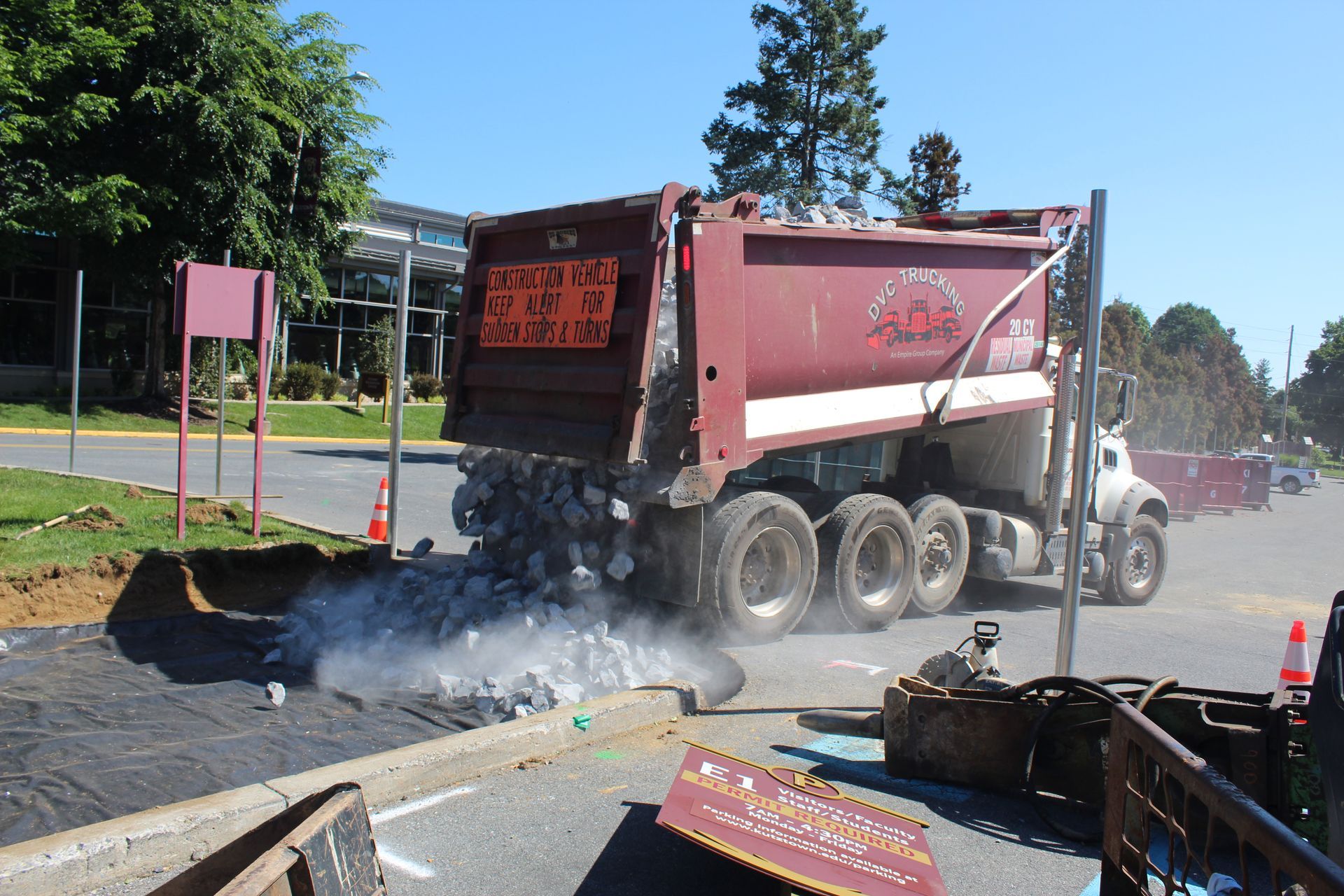
The right truck needs to arrive at the right location, at the right time, with the right load and enough information to complete the delivery safely and efficiently. When those details aren't coordinated, a material delivery can quickly become a source of delays, additional costs, and unnecessary headaches. For contractors and developers in Reading, PA, Berks County, and the tri-state area, thoughtful delivery planning can help keep crews productive and construction schedules on track. Here's what you should consider before scheduling your next material delivery. 1. Know Exactly What You're Transporting Before contacting a trucking company, have a clear understanding of the materials being moved. Different materials can require different transportation solutions. The type, size, weight, quantity, and configuration of the load can all affect which truck is appropriate. Before scheduling, be prepared to provide details such as: What material is being transported Approximate quantity or load size Estimated weight Dimensions, when applicable Where the material is being picked up Where it needs to be delivered Any special handling or unloading considerations The more accurate the information, the easier it is for your trucking provider to recommend an appropriate transportation solution. 2. Choose the Right Truck for the Job One of the most important decisions is choosing the right vehicle for the load and jobsite. A truck that works well for one construction project may not be the best choice for another. Contractors should consider the characteristics of both the material and the delivery location. For example, think about: Load size and weight Available access to the jobsite Space for maneuvering Where the truck will need to stop How materials will be unloaded Whether multiple loads are required Delaware Valley Contractors offers an array of vehicles to accommodate different transportation needs, helping contractors and developers select a solution that fits the project rather than relying on a one-size-fits-all approach. 3. Confirm the Pickup Location Before scheduling a delivery, make sure the pickup location is clearly identified. Provide the trucking company with the correct address and any useful information about the pickup point. If the material is coming from a supplier, confirm that the supplier knows when the truck is expected. It's also worth confirming: Pickup hours Loading procedures Site access Contact information Whether the material will be ready when the truck arrives A truck arriving before the material is ready can create unnecessary downtime for everyone involved. 4. Make Sure the Jobsite Is Ready The delivery location deserves just as much attention as the pickup location. Before the truck arrives, ask whether the jobsite can safely and practically accommodate the delivery vehicle. Consider: Entrance and exit routes Road conditions Available space Overhead or physical obstructions Active construction areas Other vehicles or equipment Where materials should be placed Who will direct the driver upon arrival? Construction sites change constantly. A delivery route that worked several weeks ago may look completely different today. If site conditions have changed, communicate those changes immediately to your trucking provider. 5. Schedule Around the Construction Crew Timing matters. A delivery should be coordinated with the people who will receive, unload, stage, or use the materials. If the truck arrives while the crew is unavailable, the delivery may be delayed even though the truck arrived on time. Before scheduling, determine: When does the jobsite need the material? Then work backward to account for pickup, transportation, site access, unloading, and any other factors that could affect the schedule. Good coordination can help reduce waiting time and keep the project moving. 6. Identify the Jobsite Contact There should be someone available to coordinate the delivery when the truck arrives. Provide the trucking company with the appropriate contact person's name and phone number. That person should know the delivery is coming and understand where the material needs to go. This becomes especially important on larger or active construction sites where multiple crews, subcontractors, and deliveries may be operating simultaneously. Having a designated contact can help the driver get the information needed without unnecessary delays. Reliable Construction Transportation in Reading, PA and Region A successful material delivery starts well before a truck arrives at the jobsite. For contractors and developers, Delaware Valley Contractors provides full-service trucking with an array of vehicles designed to meet a variety of transportation needs. We understand that every construction project is different. That's why having a versatile trucking resource can make it easier to coordinate material transportation as project needs change. Whether you're planning a single delivery or managing transportation for an ongoing construction project, the right preparation and the right trucking partner can help keep materials—and your project—moving. Need transportation for an upcoming construction project? Contact Delaware Valley Contractors to discuss your material delivery needs and determine the right trucking solution for your job.
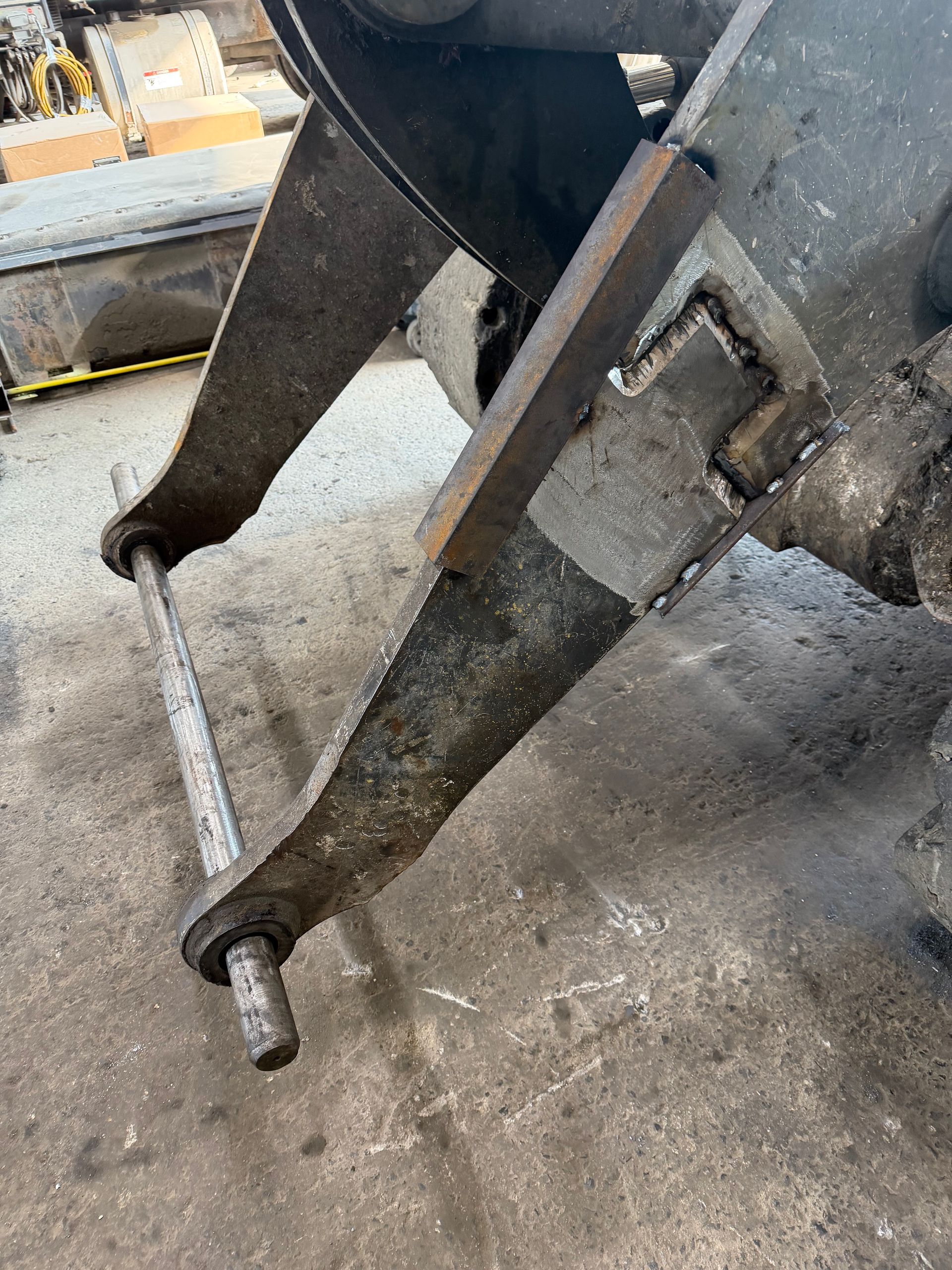
When heavy equipment goes down, every hour of downtime can affect a project’s schedule and bottom line. For contractors and equipment owners, a major component failure can quickly turn into a major repair bill—but replacement isn’t always the only solution. Recently, Delaware Valley Contractors’ (DVC) shop team put that philosophy into action when a customer’s John Deere 544K wheel loader suffered a catastrophic pin failure in the front bucket and lift arm assembly. The damage was extensive. The front end of the loader was twisted and significantly out of alignment, leaving the machine in need of major repairs. Replacing the damaged components with new or used parts was estimated to cost more than $20,000 before labor. Rather than automatically replacing the entire assembly, DVC technicians took a closer look at what could be salvaged and repaired. Precision Repairs That Put Equipment Back to Work Heavy equipment repair requires more than welding damaged metal back together. Structural components must be properly evaluated, aligned, reinforced, and repaired to help ensure the finished assembly performs as intended. DVC’s technicians began by carefully assessing the damaged components. Salvageable parts were straightened using a 100-ton press, helping restore the components before additional repair work began. The bent lift arm required a more extensive solution. Technicians precisely cut above the damaged area, and a matching section from another arm was measured, fitted, and aligned using a test bar to ensure both arms remained true and equal in length throughout the repair. Maintaining proper alignment was critical to completing the repair correctly and preventing additional issues when the loader was reassembled.

From crossing busy rivers to spanning vast bays, bridges are more than transportation routes; they are engineering achievements that connect communities, strengthen commerce, and keep people and goods moving safely. Every day, millions of drivers travel across bridges without realizing the incredible planning, innovation, and construction expertise required to build them. At Delaware Valley Contractors (DVC), we appreciate the craftsmanship and precision that go into every infrastructure project. While our team specializes in heavy hauling and transportation solutions that support major construction projects throughout the region, we also recognize the remarkable engineering that makes modern transportation possible. Here are five extraordinary bridges that have transformed travel and continue to inspire engineers and contractors alike.
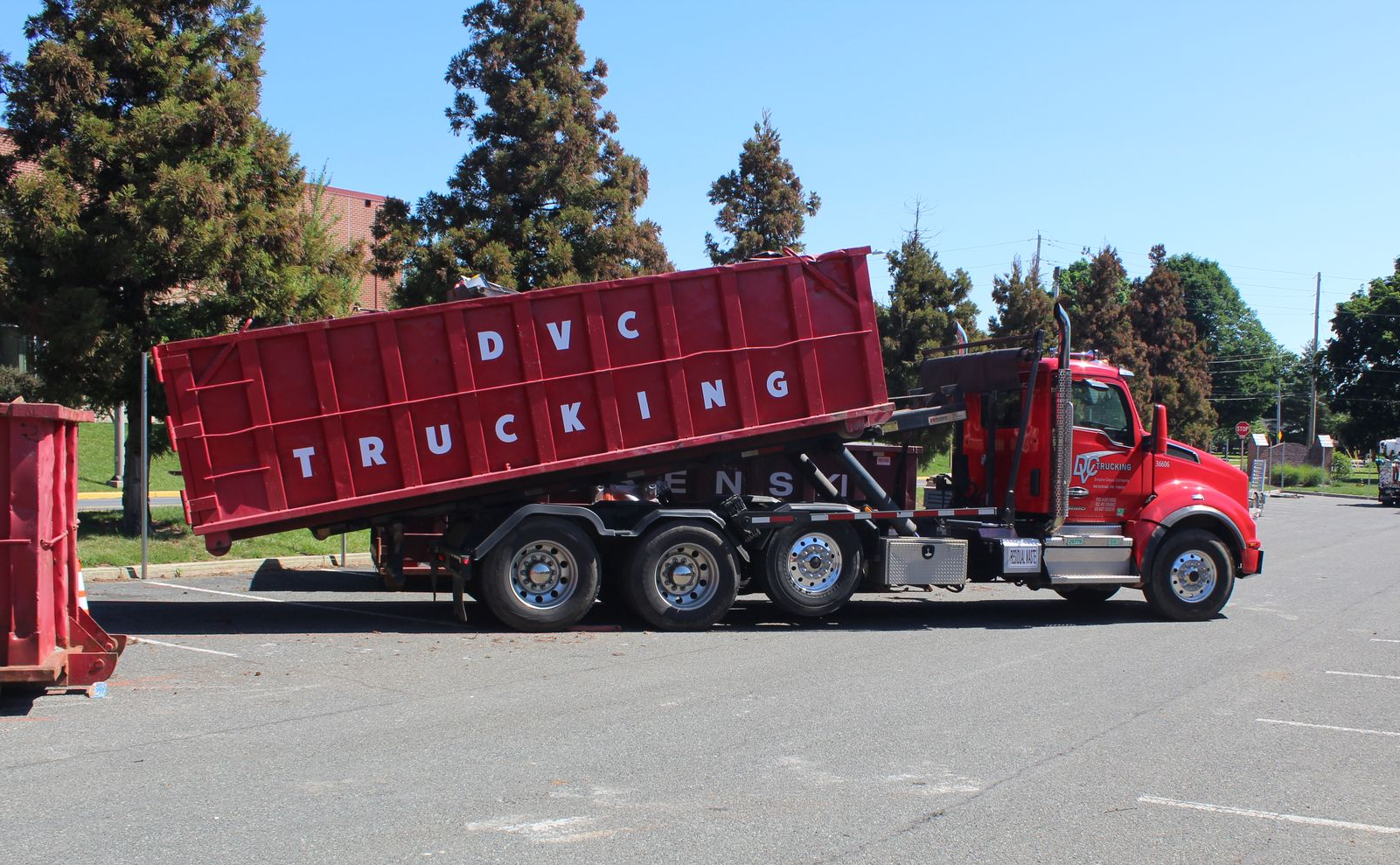
Summer is heating up for our drivers. Delaware Valley Contractors (DVC) has provided transportation for a variety of demolition and excavation projects. Each required a strategic solution to achieve success. Let’s take a look at some project highlights from the past few months.

Stay Safe This Independence Day: A Guide for Professional Drivers
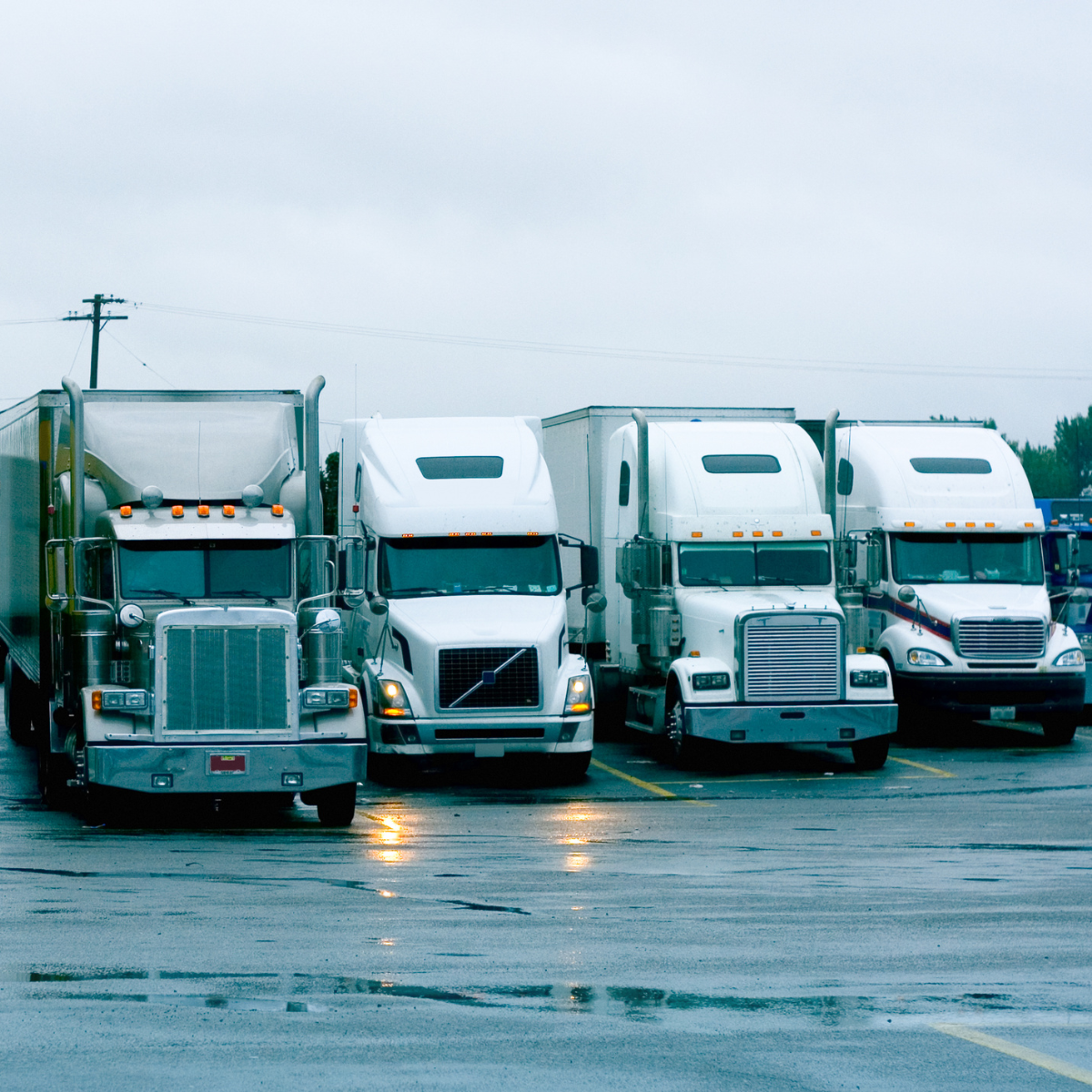
The trucking industry moves billions of tons of freight across the country each year. While technology has improved efficiency, visibility, and communication throughout the supply chain, it has also created new opportunities for fraud. One of the fastest-growing threats facing carriers, brokers, shippers, and logistics providers today is the rise of "ghost fleets." Ghost fleets are fraudulent trucking operations that appear legitimate on paper but exist primarily to steal freight, commit financial fraud, or exploit weaknesses within the transportation industry. As cargo theft and logistics fraud continue to increase nationwide, understanding ghost fleets has become critical for businesses involved in freight transportation. What Is a Ghost Fleet? A ghost fleet is a fictitious or deceptive trucking company that uses stolen identities, fabricated credentials, or manipulated business records to secure freight loads. These organizations often create convincing online profiles, obtain operating authority, and present themselves as legitimate carriers. In many cases, ghost fleets use: Stolen U.S. Department of Transportation (USDOT) numbers Fraudulent Motor Carrier (MC) numbers Fake insurance documentation Spoofed phone numbers and email addresses Fraudulent websites and business registrations Identity theft involving legitimate carriers Once they gain access to freight opportunities, these bad actors may steal cargo, disappear, or broker loads illegally to unauthorized carriers. Why Are Ghost Fleets Increasing? Several factors have contributed to the growth of ghost fleets across the United States. Increased Digitalization The transportation industry has rapidly embraced digital freight matching platforms, online load boards, electronic documentation, and remote communication tools. While these technologies improve efficiency, they also create opportunities for criminals to exploit verification gaps. High-Value Cargo Opportunities Consumer goods, electronics, pharmaceuticals, food products, and construction materials often carry significant value. Criminal organizations recognize that a single successful theft can result in substantial financial gain. Supply Chain Complexity Modern supply chains involve numerous stakeholders, including shippers, brokers, carriers, warehouses, and third-party logistics providers. The more parties involved, the more opportunities exist for fraudulent actors to infiltrate the process. Sophisticated Fraud Techniques Today's fraudsters are increasingly sophisticated. They can create professional-looking websites, replicate legitimate carrier information, and use AI tools to generate convincing communications that make detection more difficult. Common Ghost Fleet Tactics Understanding how ghost fleets operate can help transportation professionals identify potential warning signs. Identity Cloning One of the most common schemes involves impersonating a legitimate carrier. Fraudsters may copy company logos, DOT numbers, addresses, and insurance information while slightly modifying contact details. Double Brokering In a double-brokering scheme, a fraudulent carrier accepts a load and then reassigns it to another carrier without authorization. This practice creates confusion regarding responsibility, payment, and cargo security. Load Interception Ghost fleets may obtain shipment details and intercept freight before it reaches its intended destination. By posing as the assigned carrier, they can take possession of cargo and disappear. Fake Carrier Authorities Some fraudulent operations obtain legitimate authority through deceptive means and use it to establish credibility before committing theft or fraud. The Financial Impact on the Industry The consequences of ghost fleet activity extend far beyond stolen cargo. Victims may experience: Lost freight and inventory Delayed deliveries Increased insurance premiums Legal disputes Damaged customer relationships Operational disruptions Reputational harm For brokers and shippers, a single fraudulent transaction can result in significant financial losses and long-term business challenges. The Future of Freight Security Ghost fleets represent a growing challenge for the trucking and logistics sectors. However, increased awareness, stronger verification practices, improved technology, and industry collaboration are helping businesses combat this threat. The most successful carriers, brokers, and shippers will be those that prioritize security alongside efficiency. By implementing robust vetting procedures and remaining vigilant, transportation companies can reduce risk and protect valuable cargo from fraudulent operators. Final Thoughts The rise of ghost fleets highlights the importance of diligence in today's increasingly digital transportation landscape. As criminals develop more sophisticated methods for infiltrating supply chains, the industry must take proactive security measures. Whether you're a carrier, freight broker, logistics provider, or shipper, understanding the warning signs of ghost fleet activity can help safeguard your business, protect your customers, and ensure freight reaches its destination safely. By combining technology, training, and thorough verification processes, the trucking industry can continue moving forward while minimizing the risks posed by fraudulent operations.
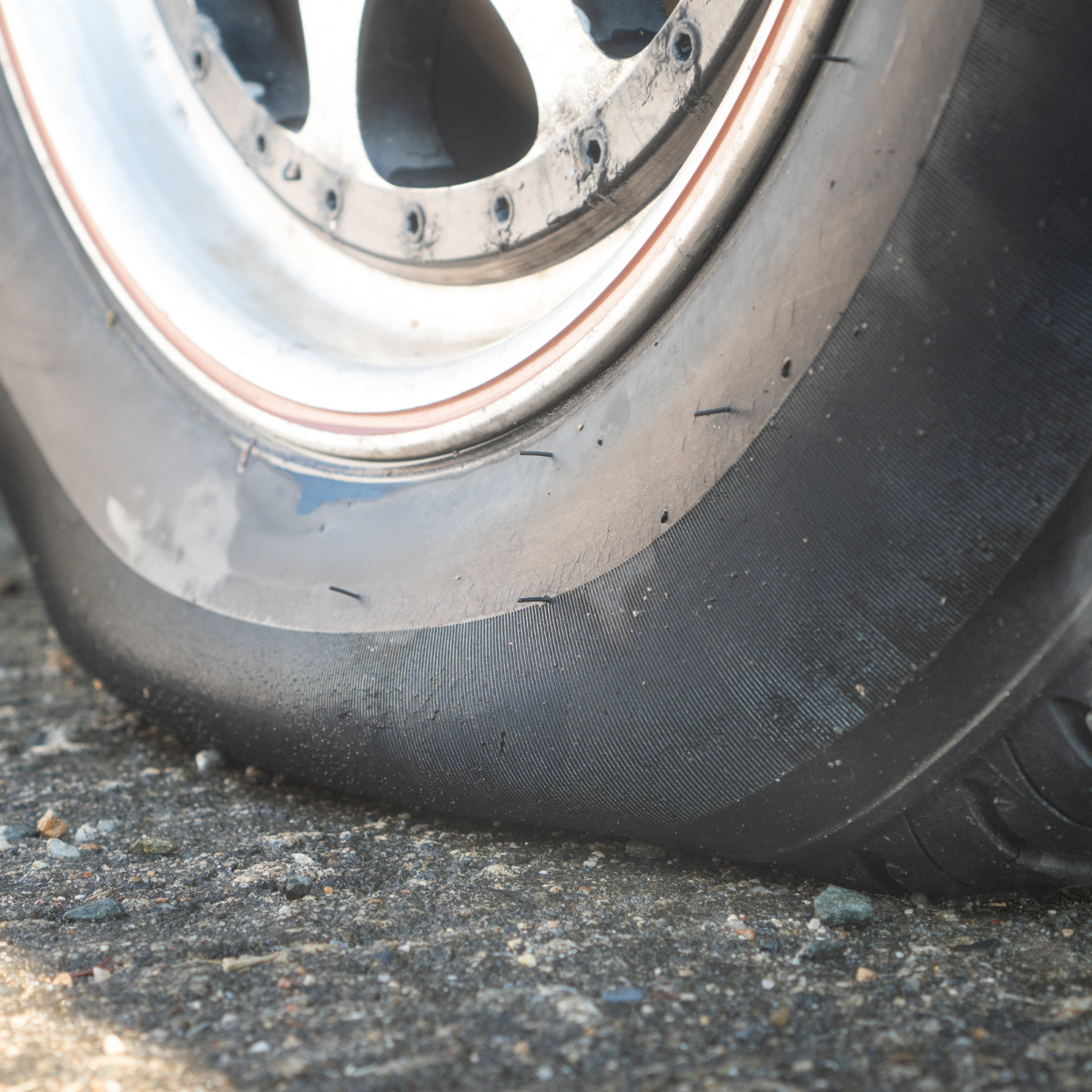
In the trucking industry, fuel is one of the largest operating expenses. Today, everyone is feeling the pain at the pump with soaring fuel prices. Fleet owners, logistics companies, and independent drivers are constantly looking for ways to improve fuel economy without sacrificing performance or safety. One of the most overlooked yet highly effective (and simple) strategies is maintaining proper tire pressure. Tire pressure directly impacts fuel efficiency, tire longevity, vehicle safety, and overall operating costs. Even slightly underinflated tires can reduce miles per gallon (MPG), increase wear and tear, and create unnecessary strain on commercial trucks. For fleets operating across long distances, improper tire inflation can cost thousands of dollars annually in wasted fuel and premature tire replacement. Why Tire Pressure Matters for Commercial Trucks Commercial trucks carry heavy loads and travel thousands of miles each month. Because of the immense weight placed on tires, proper inflation is critical for maintaining optimal performance. When truck tires are inflated to the correct PSI (pounds per square inch), they roll more efficiently and create less rolling resistance on the road. Lower rolling resistance means the engine requires less energy to move the vehicle, improving fuel economy. However, when tires are underinflated, the tire surface flexes more, creating additional friction with the roadway. This forces the engine to work harder and burn more fuel. How Underinflated Truck Tires Increase Fuel Consumption Underinflated tires are one of the leading causes of poor fuel efficiency in the trucking industry. Increased Rolling Resistance Low tire pressure increases the area of contact between the tire and the road surface. This creates rolling resistance, which directly impacts fuel usage. The greater the rolling resistance: The harder the engine must work. The more fuel the truck consumes The faster the tires wear out. The more heat builds up inside the tire. For commercial fleets, even a small reduction in fuel efficiency across multiple trucks can lead to substantial annual fuel costs. The Financial Impact on Trucking Fleets Fuel expenses represent a significant portion of fleet operating budgets. Maintaining proper tire pressure can help reduce unnecessary fuel spending and improve profitability. Common Costs Associated With Improper Tire Pressure Increased diesel consumption Premature tire replacement Higher maintenance expenses More roadside breakdowns Increased downtime Reduced tire retread life For large fleets, poor tire maintenance can translate into tens of thousands of dollars in avoidable costs every year. Tire Pressure and Load Distribution Commercial trucks are designed to carry heavy cargo loads across varying terrain and weather conditions. Incorrect tire pressure affects how weight is distributed across the tires and axles. Improper inflation can cause: Uneven tire wear Reduced traction Poor braking performance Steering instability Increased risk of blowouts Maintaining correct tire pressure helps ensure balanced load support and safer vehicle handling. How Temperature Affects Tire Pressure Truck tire pressure naturally fluctuates with temperature changes. Cold Weather Effects In colder temperatures, air inside the tire contracts, causing PSI levels to drop. During winter months, truck tires can quickly become underinflated if not monitored regularly. Hot Weather Effects In warmer temperatures, tire pressure increases as air expands. Combined with highway heat and heavy loads, improperly inflated tires can become dangerous. Seasonal tire inspections are essential for maintaining safe operating pressure year-round. Tire Blowouts and Safety Risks Underinflated commercial truck tires generate excessive heat due to increased flexing. Over time, this heat weakens tire integrity and raises the risk of catastrophic tire failure. Tire blowouts can lead to: Highway accidents Cargo damage Expensive emergency repairs Delayed deliveries DOT compliance issues Routine tire pressure monitoring significantly reduces these risks while improving operational safety. Final Thoughts Tire pressure has a direct and measurable impact on fuel efficiency in the trucking industry. Underinflated tires increase rolling resistance, forcing commercial trucks to consume more fuel while accelerating tire wear and increasing safety risks. With today’s fuel costs, every measure taken to save money is implemented. It only makes sense to start from the ground up on trucks: tires. At Delaware Valley Contractors , we inspect our tires before and after each journey to ensure they are safe for the road and long-term fleet efficiency.
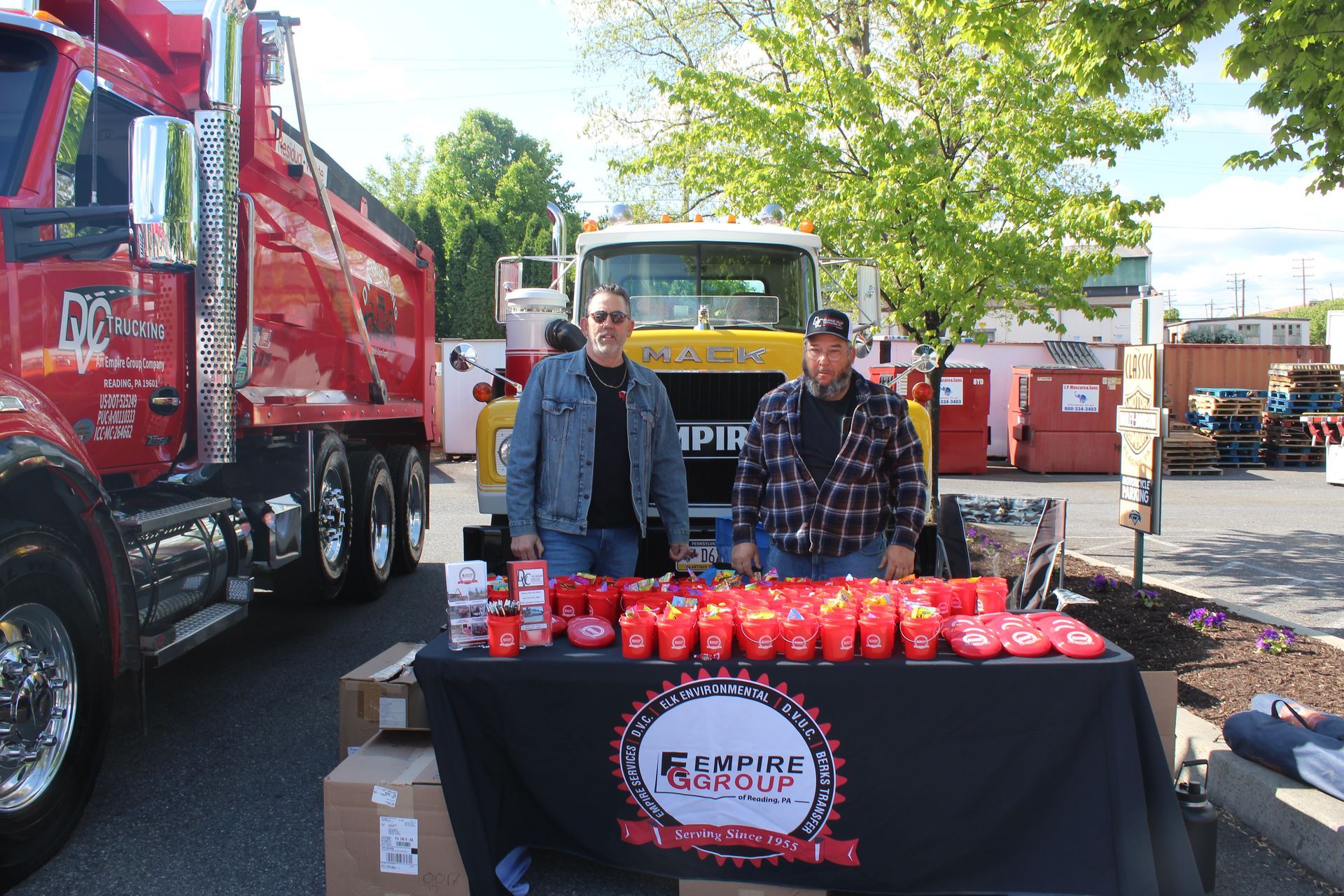
It was chilly and sunny at Touch-a-Truck on Sunday, May 3rd. Despite the breezy weather (unlike last year!), families showed up in full force to experience one of the community’s most exciting, hands-on events of the year. Hosted at FirstEnergy Stadium, this year’s event brought together a variety of businesses, organizations, and nonprofits—and drew a crowd of nearly 2,000 with 45 vehicle exhibits. For Delaware Valley Contractors (DVC), it was the perfect opportunity to connect with the community, showcase our equipment, and inspire the next generation of builders, operators, and problem-solvers.

If you’ve traveled across the United States, you’ve seen them—massive hubs along highways serving everything from movies to fuel. But today’s truck stops are far more than a quick stop for diesel. They’ve evolved into full-service destinations where drivers can rest, recharge, and even be entertained. So just how big and impressive have truck stops become? Let’s explore five of the most notable truck stops across the country.

Winter weather can slow many operations—but not at Delaware Valley Contractors (DVC). As snowstorms moved through the region and projects continued across the Northeast, the DVC team helped ensure equipment and materials arrived safely and on schedule.