5 Essential Winter Driving Tips for Truck Drivers
DVC • November 26, 2024

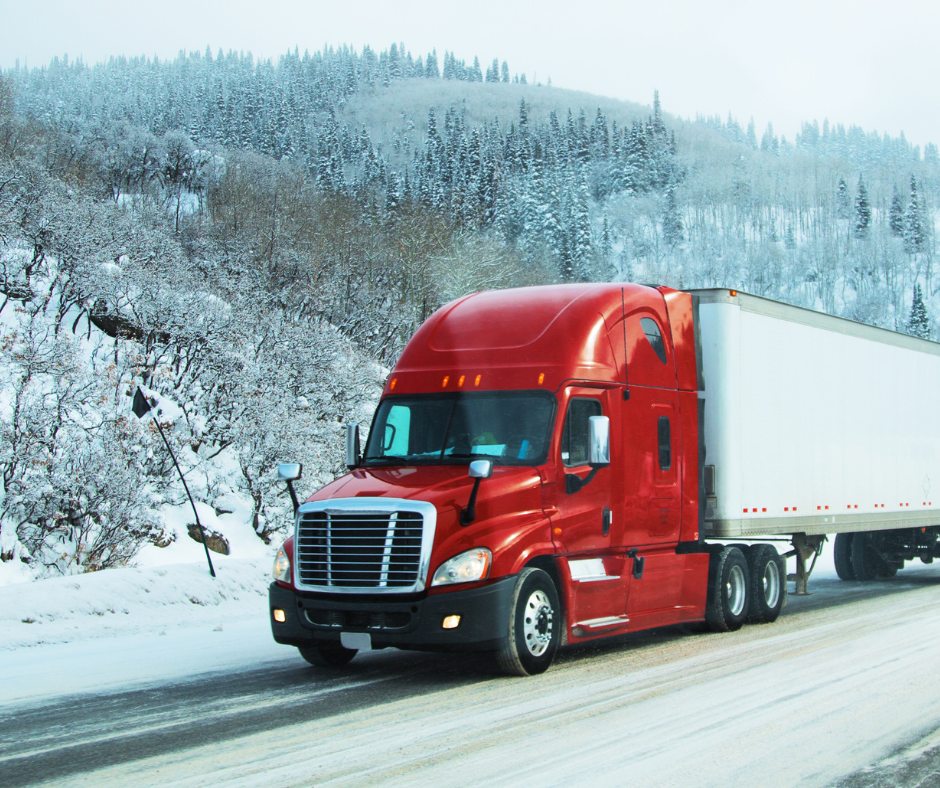
Winter weather can be unpredictable, with rapid temperature changes, ice storms, and even thundersnow becoming more common in recent years. While we can’t control the weather, we can control how prepared we are to handle it. Whether you're navigating through snow, ice, or rain, being ready for winter driving is key to staying safe on the road. The winter months, from December through February, often bring a mix of weather conditions, from heavy snow to freezing rain and hail. So, it's crucial to not only prepare your truck for winter conditions but also to adjust your driving habits. Here are five critical winter driving tips every truck driver should know:


1. Maintain Extra Space Between Vehicles

Winter weather means slower stopping times. One of the most important safety tips is to increase the distance between your truck and the vehicle in front of you. In normal conditions, the rule of thumb is one second for every 10 feet of vehicle length. However, in winter weather, increase that to:

  • Three seconds for speeds under 40 mph
  • Six seconds for speeds over 40 mph


This extra space will give you more time to react in case of sudden stops or slippery conditions.


2. Pack Essential Winter Supplies

If you get stuck in a snowstorm or find yourself waiting for an accident to clear, having the right supplies (winter kit) can make a big difference. Here’s a checklist of items to carry in your winter kit:

  • Flashlight and extra batteries
  • Blanket and extra clothes (including gloves)
  • Bag of salt or sand for traction
  • Tire chains
  • Non-perishable snacks
  • Jumper cables
  • Snow scraper and brush
  • Flares and warning triangles
  • Windshield washer fluid
  • Rain gear (just in case)
  • Portable radio and spare batteries
  • Portable charger for your cell phone


These items will help you stay safe and comfortable, especially if you're stranded or stuck in inclement weather.


3. Be Cautious of Black Ice

Black ice is one of the most dangerous winter driving hazards. It’s a thin layer of ice that forms on the road from a light freezing rain or the melting of snow that re-freezes. It can form without bubbles and appears wet. You’ll find it mostly at night or early in the morning when temperatures are at their lowest, especially on bridges, overpasses and roads beneath overpasses. It's hard to spot, but there are a few signs to look for:

Watch how other drivers are reacting—slower speeds, skidding and sudden stops can indicate black ice ahead.

No water spray—There is no water spray on a road that looks wet.


If you do encounter black ice, try to keep calm to not overreact. Keep the steering straight and do as little as possible to glide over the ice. If the front end of your truck starts to slide, steer in the opposite direction of the skid. However, if the back end starts to slide, steer in the same direction.


Do not slam on the brakes and slow down by de-accelerating. Also, shifting into a lower gear will help give you more control on the ice. Always stay alert for this invisible danger and adjust your speed accordingly.


4. Slow Down in All Weather Conditions

While it's common sense to slow down during snowstorms, it's also crucial to drive slower during rain, fog, or any other weather event that reduces visibility. Driving at a slower speed:

  • Gives you more time to react to hazards
  • Reduces the risk of hydroplaning on wet roads
  • Helps maintain control if the road is slippery


Remember, driving too fast in poor conditions can be just as dangerous as driving too fast in good weather.


5. Pay Attention to Tire Spray

Tire spray can offer valuable clues about road conditions. If you're driving behind other vehicles, notice the amount of spray coming off their tires. Here’s what it means:

Heavy spray:  The road is wet, which may reduce traction but isn’t necessarily frozen.

Light or minimal spray:  The road has started to freeze, increasing the likelihood of ice or slippery patches.


Use tire spray as a quick gauge of road conditions, but always stay cautious and reduce speed when in doubt.


Drive Smart, Drive Safe

No truck driver wants to face challenging weather, but it’s often unavoidable. The key to winter driving is staying calm, being prepared, and adjusting your speed and behavior based on the conditions around you. At DVC, safety is our top priority. Our experienced drivers always follow these tips and ensure that our trucks are ready for any winter conditions.

By Delaware Valley Contractors May 18, 2026
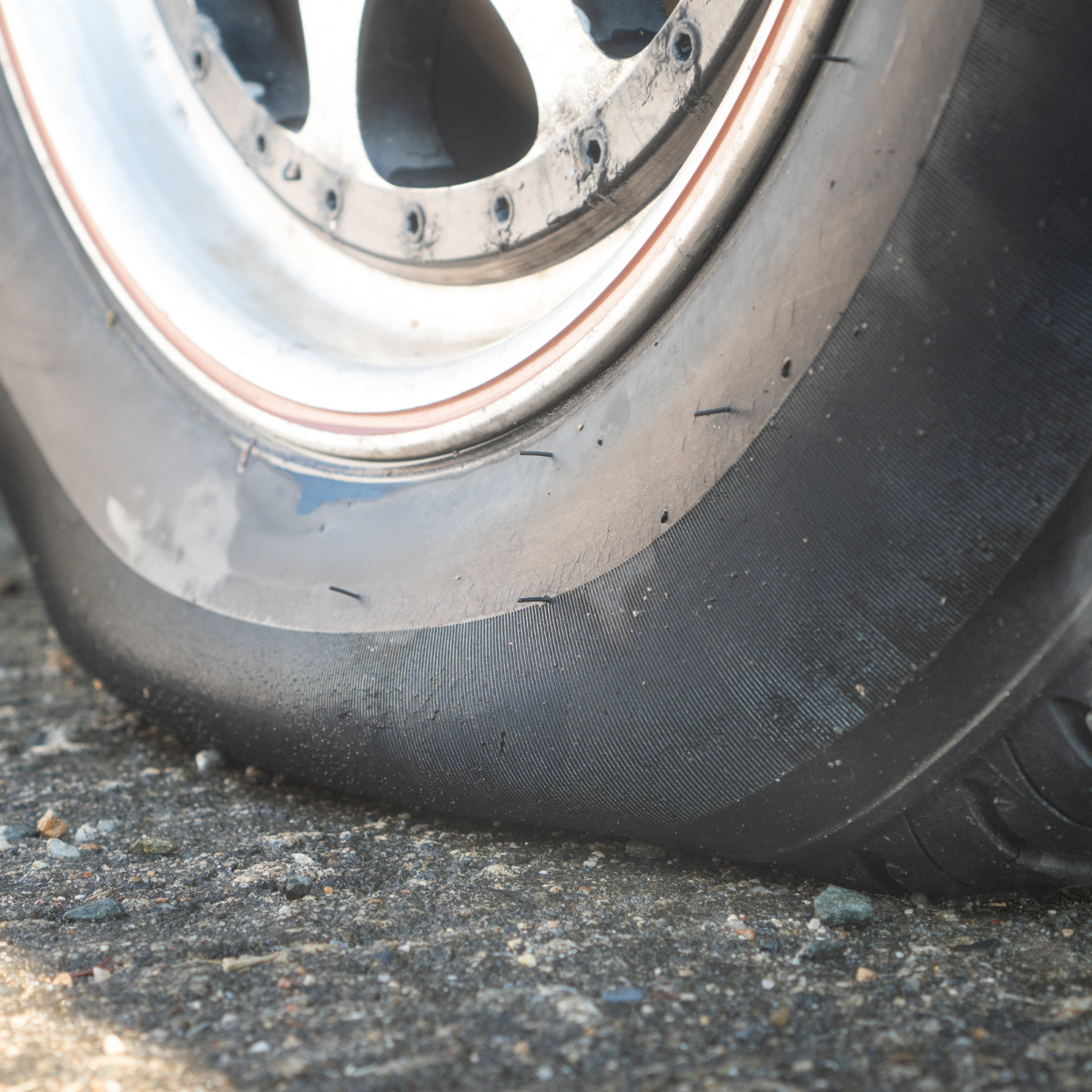
In the trucking industry, fuel is one of the largest operating expenses. Today, everyone is feeling the pain at the pump with soaring fuel prices. Fleet owners, logistics companies, and independent drivers are constantly looking for ways to improve fuel economy without sacrificing performance or safety. One of the most overlooked yet highly effective (and simple) strategies is maintaining proper tire pressure. Tire pressure directly impacts fuel efficiency, tire longevity, vehicle safety, and overall operating costs. Even slightly underinflated tires can reduce miles per gallon (MPG), increase wear and tear, and create unnecessary strain on commercial trucks. For fleets operating across long distances, improper tire inflation can cost thousands of dollars annually in wasted fuel and premature tire replacement. Why Tire Pressure Matters for Commercial Trucks Commercial trucks carry heavy loads and travel thousands of miles each month. Because of the immense weight placed on tires, proper inflation is critical for maintaining optimal performance. When truck tires are inflated to the correct PSI (pounds per square inch), they roll more efficiently and create less rolling resistance on the road. Lower rolling resistance means the engine requires less energy to move the vehicle, improving fuel economy. However, when tires are underinflated, the tire surface flexes more, creating additional friction with the roadway. This forces the engine to work harder and burn more fuel. How Underinflated Truck Tires Increase Fuel Consumption  Underinflated tires are one of the leading causes of poor fuel efficiency in the trucking industry. Increased Rolling Resistance Low tire pressure increases the area of contact between the tire and the road surface. This creates rolling resistance, which directly impacts fuel usage. The greater the rolling resistance: The harder the engine must work. The more fuel the truck consumes The faster the tires wear out. The more heat builds up inside the tire. For commercial fleets, even a small reduction in fuel efficiency across multiple trucks can lead to substantial annual fuel costs. The Financial Impact on Trucking Fleets Fuel expenses represent a significant portion of fleet operating budgets. Maintaining proper tire pressure can help reduce unnecessary fuel spending and improve profitability. Common Costs Associated With Improper Tire Pressure Increased diesel consumption Premature tire replacement Higher maintenance expenses More roadside breakdowns Increased downtime Reduced tire retread life For large fleets, poor tire maintenance can translate into tens of thousands of dollars in avoidable costs every year. Tire Pressure and Load Distribution Commercial trucks are designed to carry heavy cargo loads across varying terrain and weather conditions. Incorrect tire pressure affects how weight is distributed across the tires and axles. Improper inflation can cause: Uneven tire wear Reduced traction Poor braking performance Steering instability Increased risk of blowouts Maintaining correct tire pressure helps ensure balanced load support and safer vehicle handling. How Temperature Affects Tire Pressure Truck tire pressure naturally fluctuates with temperature changes. Cold Weather Effects In colder temperatures, air inside the tire contracts, causing PSI levels to drop. During winter months, truck tires can quickly become underinflated if not monitored regularly. Hot Weather Effects In warmer temperatures, tire pressure increases as air expands. Combined with highway heat and heavy loads, improperly inflated tires can become dangerous. Seasonal tire inspections are essential for maintaining safe operating pressure year-round. Tire Blowouts and Safety Risks Underinflated commercial truck tires generate excessive heat due to increased flexing. Over time, this heat weakens tire integrity and raises the risk of catastrophic tire failure. Tire blowouts can lead to: Highway accidents Cargo damage Expensive emergency repairs Delayed deliveries DOT compliance issues Routine tire pressure monitoring significantly reduces these risks while improving operational safety. Final Thoughts Tire pressure has a direct and measurable impact on fuel efficiency in the trucking industry. Underinflated tires increase rolling resistance, forcing commercial trucks to consume more fuel while accelerating tire wear and increasing safety risks. With today’s fuel costs, every measure taken to save money is implemented. It only makes sense to start from the ground up on trucks: tires. At Delaware Valley Contractors , we inspect our tires before and after each journey to ensure they are safe for the road and long-term fleet efficiency.
By Delaware Valley Contractors May 5, 2026
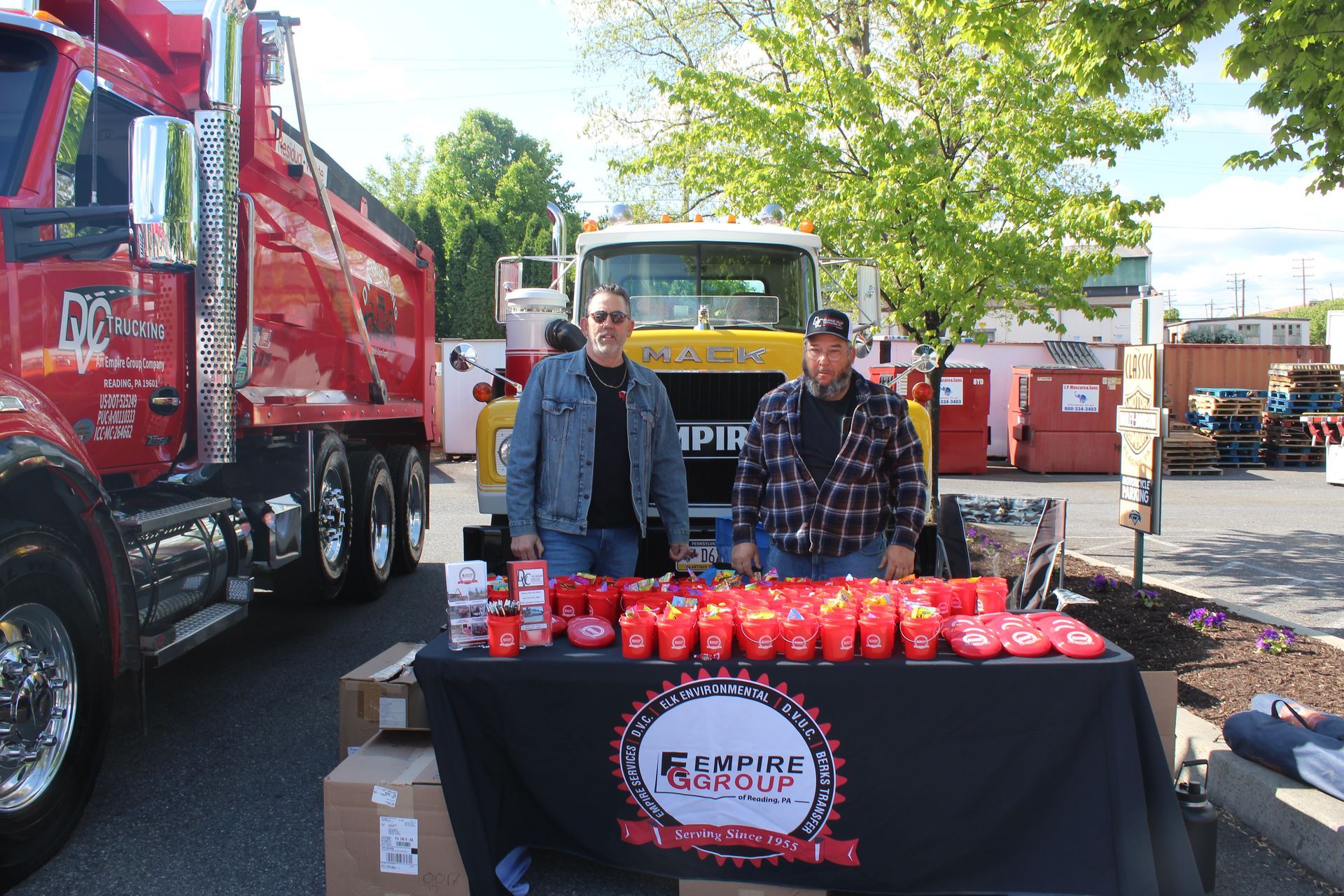
It was chilly and sunny at Touch-a-Truck on Sunday, May 3rd. Despite the breezy weather (unlike last year!), families showed up in full force to experience one of the community’s most exciting, hands-on events of the year. Hosted at FirstEnergy Stadium, this year’s event brought together a variety of businesses, organizations, and nonprofits—and drew a crowd of nearly 2,000 with 45 vehicle exhibits. For Delaware Valley Contractors (DVC), it was the perfect opportunity to connect with the community, showcase our equipment, and inspire the next generation of builders, operators, and problem-solvers.
By Delaware Valley Contractors April 20, 2026
If you’ve traveled across the United States, you’ve seen them—massive hubs along highways serving everything from movies to fuel. But today’s truck stops are far more than a quick stop for diesel. They’ve evolved into full-service destinations where drivers can rest, recharge, and even be entertained. So just how big and impressive have truck stops become? Let’s explore five of the most notable truck stops across the country.
By Delaware Valley Contractors March 23, 2026
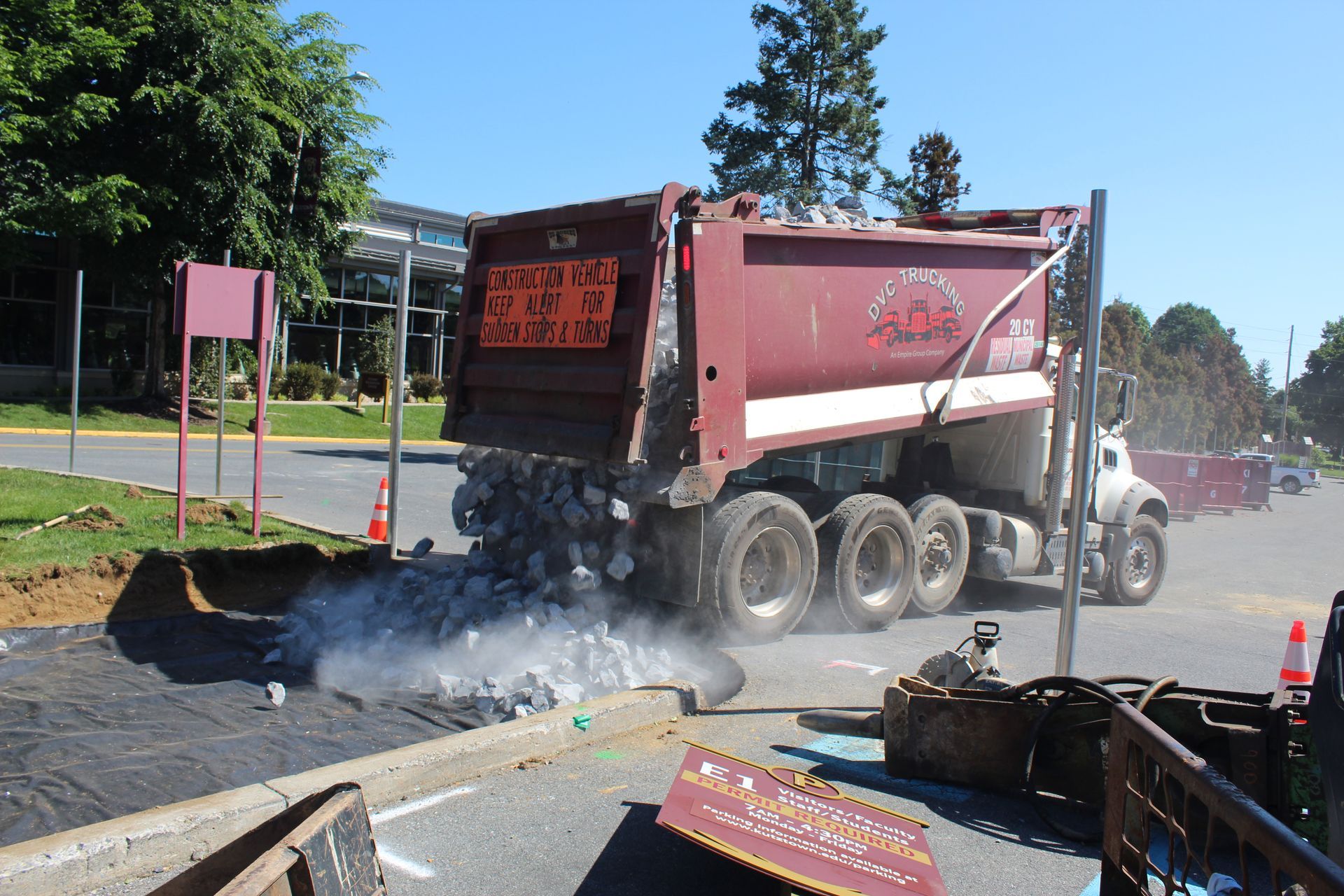
Winter weather can slow many operations—but not at Delaware Valley Contractors (DVC). As snowstorms moved through the region and projects continued across the Northeast, the DVC team helped ensure equipment and materials arrived safely and on schedule.
By Delaware Valley Contractors March 6, 2026
Photo: Aurora.tech
By Delaware Valley Contractors February 20, 2026
As freight demand increases and driver shortages persist, trucking companies are under constant pressure to recruit qualified CDL drivers quickly. But there’s a growing problem that fleet owners cannot afford to ignore: “sham” CDL schools. These fraudulent CDL training schools for truck drivers (and school bus drivers) are producing underprepared drivers who hold a license on paper — but lack the skills, knowledge, and safety practices required on the road. For trucking companies, this isn’t just an inconvenience in hiring. It’s a compliance, safety, and financial risk. What Is a Sham CDL School? A sham CDL school is a training provider that fails to meet federal and state standards for commercial driver education. These schools: Employ unqualified instructors Falsify training documentation Improperly train drivers on HAZMAT transportation. Use the wrong equipment to train drivers. Since the Entry-Level Driver Training (ELDT) rule went into effect under the Federal Motor Carrier Safety Administration (FMCSA), all new CDL applicants must complete training from a provider listed in the FMCSA Training Provider Registry. Despite this requirement, some programs attempt to cut corners. Recently, the U.S. Department of Transportation cracked down on these sham CDL schools. The FMCSA conducted on-site investigations at over 1,400 CDL schools, resulting in 550 schools being shut down. Of these, 448 received formal notices of removal, and 109 removed themselves from the registry of schools upon learning of the investigations. This is just another issue plaguing the trucking industry, including high turnover rates and chameleon carriers. Why Sham CDL Schools Are a Direct Threat to Trucking Companies 1. Increased Accident Risk Drivers with inadequate training are more likely to mishandle: Pre-trip inspections Backing and docking procedures Defensive driving situations Adverse weather conditions Hours-of-service compliance One preventable accident can cost a fleet hundreds of thousands of dollars in claims, legal fees, equipment damage, and downtime. 2. Higher Insurance Premiums Insurance carriers analyze driver quality, safety history, and training background. A pattern of hiring undertrained drivers can lead to: Premium increases Coverage limitations Stricter underwriting requirements 3. FMCSA Compliance Exposure If a driver’s ELDT documentation is inaccurate or improperly recorded, your company could face compliance reviews conducted by the FMCSA. 4. Reputation Damage In today’s digital world, safety incidents quickly impact public perception. How Trucking Companies Can Protect Themselves 1. Strengthen Pre-Hire Screening Go beyond verifying a CDL. Ask candidates about: Specific maneuvers they trained on Types of equipment used Real road driving conditions experienced 2. Conduct Internal Skills Evaluations Implement standardized road tests and backing assessments before releasing new drivers solo. 3. Partner with Reputable CDL Schools Develop relationships with established FMCSA-registered training providers. 4. Invest in Finishing Programs Create structured orientation and mentoring programs to reinforce: Safety culture Compliance expectations Defensive driving habits Company SOPs A strong finishing program can identify skill gaps before they turn into incidents. 5. Audit Your Hiring Data Track accidents, violations, and turnover by training source. Patterns will quickly reveal which schools produce quality drivers — and which do not. Why Quality Training Matters More Than Ever With thermonuclear verdicts on the rise and regulatory oversight increasing, fleets must prioritize driver quality over speed-to-hire. A well-trained driver: Reduces liability exposure Protects your CSA scores Improves fuel efficiency Enhances customer confidence Strengthens company culture In contrast, a driver who received inadequate training can put your entire operation at risk. Final Thoughts Sham CDL schools are a growing concern in the United States, and trucking companies must remain vigilant. While the driver shortage creates pressure to move quickly, compromising on training quality can cost far more than an unfilled seat. By tightening your screening process, verifying ELDT compliance, building trusted school partnerships, and investing in structured onboarding, your company can reduce risk while building a stronger, safer fleet. At DVC, we have experienced CDL drivers who have extensive training and a strong commitment to safety, compliance, and professionalism.
By Delaware Valley Contractors February 9, 2026
Road rage isn’t just a passenger car problem. In today’s fast-paced logistics environment, road rage in the trucking industry has become a growing concern—impacting safety, brand reputation, driver retention, and operating costs. For fleet managers and trucking companies, understanding why road rage happens and how to prevent it isn’t just good practice—it’s good business. What Is Road Rage in Trucking? Road rage refers to aggressive or violent behavior triggered by stress, frustration, or anger while driving. In the trucking industry, this can include: Tailgating or brake checking Excessive horn use or verbal threats Unsafe lane changes or speeding Confrontations at rest stops or loading docks Given that commercial vehicles can weigh up to 80,000 pounds, even minor aggressive actions can have serious and sometimes fatal consequences. Why Road Rage Is So Common Among Truck Drivers Truck driving is one of the most demanding professions on the road. Several industry-specific factors increase the risk of road rage: 1. Tight Deadlines and Schedule Pressure Delivery windows, Hours of Service regulations, and shipper delays create intense pressure. When time is money, frustration builds fast. 2. Traffic and Road Conditions Congested highways, construction zones, and unpredictable drivers can test even the calmest professional driver. 3. Long Hours and Fatigue Driver fatigue reduces patience and emotional control, making aggressive reactions more likely. 4. Lack of Respect from Other Motorists Many truck drivers report feeling ignored, cut off, or disrespected by passenger vehicles—fueling anger and resentment. The Real Cost of Road Rage for Trucking Companies Road rage doesn’t just affect drivers—it affects your entire operation. Safety Risks Aggressive driving increases the likelihood of collisions, injuries, and fatalities. Higher Insurance Premiums Accidents tied to aggressive behavior can drive up insurance costs and hurt safety scores. Brand Reputation Damage With dash cams, smartphones, and social media everywhere, one viral incident can seriously harm your company’s image. Driver Turnover A stressful, hostile driving environment contributes to burnout and high turnover—already a major industry challenge. How the Trucking Industry Can Reduce Road Rage The good news? Road rage is preventable. Proactive companies are already taking steps to reduce aggressive driving behaviors. Invest in Driver Training Ongoing training in defensive driving, emotional regulation, and conflict avoidance empowers drivers to stay calm under pressure. Promote a Safety-First Culture When companies prioritize safety over unrealistic delivery times, drivers feel supported—and less stressed. Use Technology Wisely Telematics, dash cameras, and AI-powered driver monitoring tools can identify risky behaviors early and provide coaching opportunities. Encourage Mental Health and Wellness Access to rest, healthy schedules, and mental health resources helps drivers manage stress more effectively. Lead with Communication Clear expectations, realistic routes, and open communication between dispatchers and drivers reduce frustration before it turns into anger. Tips for Truck Drivers to Avoid Road Rage For drivers on the road every day, small mindset shifts make a big difference: Don’t take other drivers’ mistakes personally. Leave extra space and plan for delays. Take breaks when emotions run high. Focus on arriving safely. Professional driving isn’t about reacting; it’s about responding calmly and safely. The Bottom Line Road rage in the trucking industry is more than a personal issue—it’s a business, safety, and brand issue. Companies that address it head-on through training, technology, and culture don’t just reduce accidents; they build stronger fleets and more resilient drivers. At Delaware Valley Contractors , we have a strong commitment to safety, which includes proper training, a well-maintained fleet and constant communication. We strive to reduce risk, improve driver well-being and preserve trust with our customers and our community. Let's all be safe on the road!
By Delaware Valley Contractors January 20, 2026
Source: Purdue University/Kelsey Lefever
By Delaware Valley Contractors January 12, 2026
Source: Cap City News/Klark Byrd
By Delaware Valley Contractors December 9, 2025
It’s hard to believe it’s the end of 2025! We are grateful for another great year. There have been many projects and events DVC was involved in, and we are proud of the services we have provided to our customers. Below are some project and event highlights from this year.