3 Overlooked Winter Hazards You Need to Know About

DVC • January 21, 2025

When most people think of winter hazards, icy roads and freezing temperatures come to mind. While these are certainly risks, there are some lesser-known dangers that can also pose serious threats to your health and safety. In fact, three winter hazards often go unnoticed—dehydration, cold stress, and carbon monoxide poisoning. These risks can sneak up on you during the cold months, but with the right knowledge, you can avoid them. Here's what you need to know to stay safe this winter.

1. Dehydration: Not Just a Summer Problem

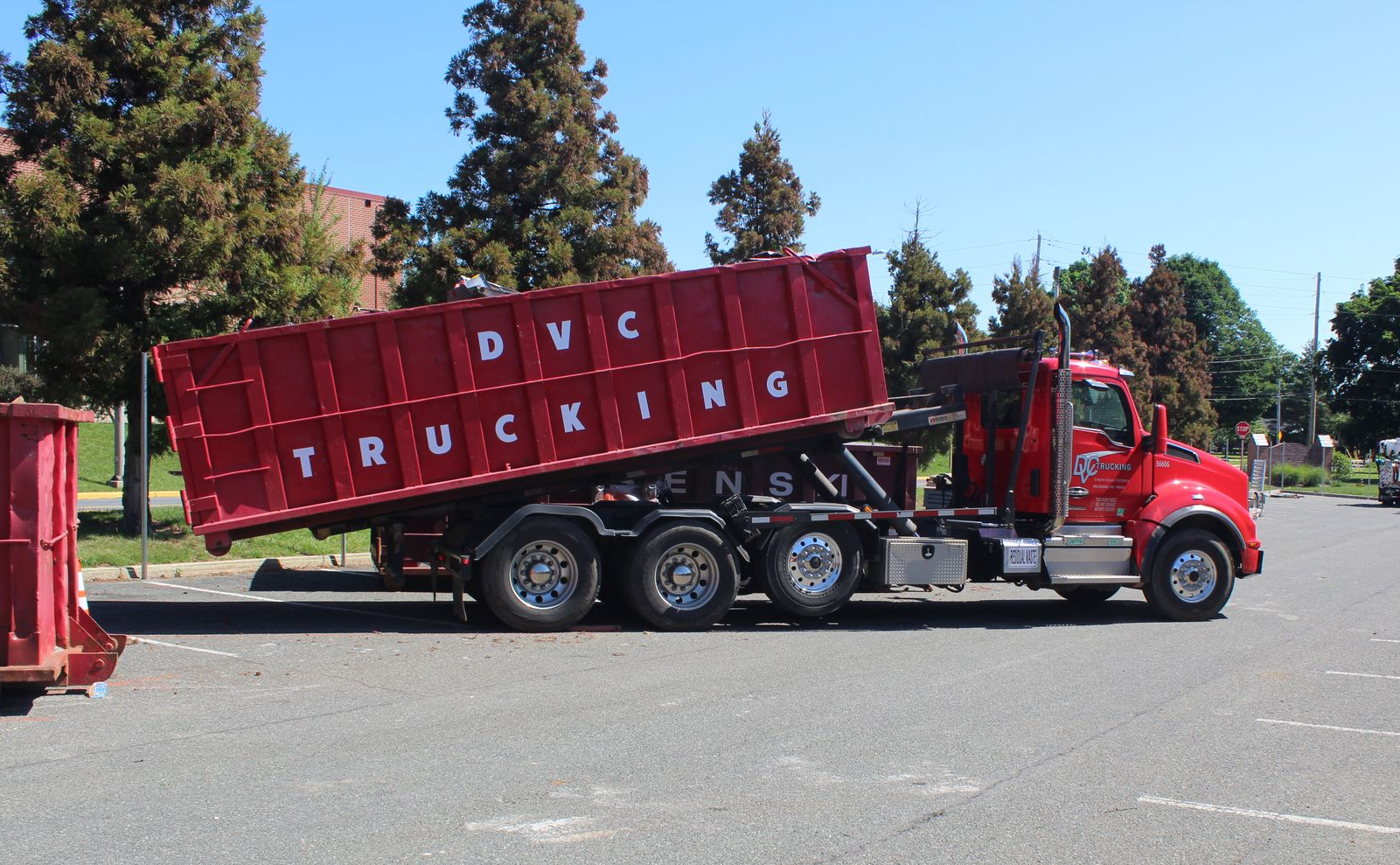
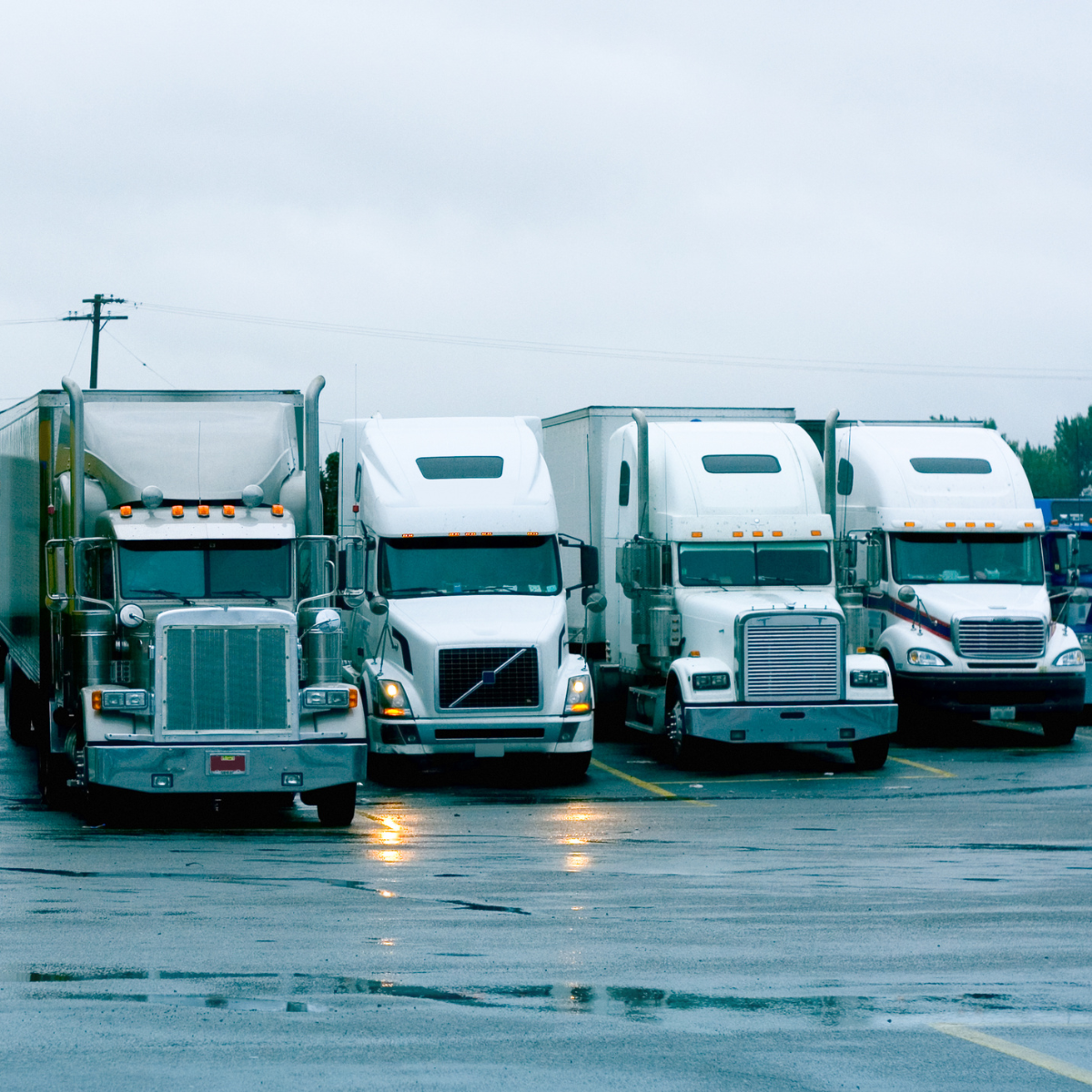
Unloading a truck in winter

It’s easy to assume dehydration is something that only happens during the hot summer months, but winter dehydration is just as real. In fact, the dry, cold air can lead to more fluid loss than people realize. When you breathe in cold, dry air, your body loses moisture, and you may not even feel thirsty—especially when bundled up in layers.


Dehydration in winter can cause symptoms like fatigue, dizziness, dry skin, and even headaches. And if left unchecked, it can lead to more severe complications, such as kidney damage or heat exhaustion when you're engaging in physical activities in the cold (e.g., unloading a truck).


How to Prevent Winter Dehydration:

• Drink plenty of fluids, even if you don’t feel thirsty.

• Opt for warm drinks like hot lemon water and coffee, which can hydrate you while bearing cold temperatures.

• Avoid excessive alcohol and caffeine, as they can contribute to dehydration.

2. Cold Stress: When the Chill Becomes a Threat

Thermometer in wintertime

Cold stress is a serious concern for anyone spending long hours outdoors during the winter. It happens when your body’s ability to stay warm is overwhelmed by the cold temperatures, leading to a range of symptoms—from shivering and numbness to more severe issues like frostbite or hypothermia.


Unlike dehydration, the effects of cold stress are often more immediate and visible. If you’re outside and your skin feels painfully cold or turns pale and blotchy, you’re likely experiencing the early stages of cold stress. Prolonged exposure can lead to permanent damage to tissues or even life-threatening conditions if not addressed promptly.


How to Prevent Cold Stress:

• Wear layers of clothing, and make sure your outermost layer is windproof and waterproof.

• Keep extremities (fingers, toes, ears, and nose) covered and protected from the wind.

• Take frequent breaks indoors to warm up if you’re spending extended periods outside.

• If you start to feel numb or notice your skin changing color, head inside immediately.


3. Carbon Monoxide Poisoning: The Silent Killer

When it comes to winter safety, carbon monoxide (CO) poisoning is one of the most dangerous and often overlooked risks. Many people use space heaters, fireplaces, or even their vehicle to stay warm in cold weather, aside from being lifesavers, they also pose a threat if not used correctly. Carbon monoxide is an odorless, colorless gas that can build up indoors when there’s inadequate ventilation, and it can cause headaches, dizziness, nausea, and even death.


During the winter months, people are more likely to leave their homes closed up to retain heat, which can allow dangerous levels of carbon monoxide to accumulate. In some cases, people may also run their vehicle in an attached garage to stay warm, not realizing the risk of poisoning.


How to Prevent Carbon Monoxide Poisoning:

• Install a carbon monoxide detector in your home, especially near sleeping areas, and check the batteries regularly.

• Never use a generator, grill, or camp stove indoors.

• Ensure that chimneys and vents are clear and functioning properly before using a fireplace or space heater.

• Never leave your car running in an attached garage, even if the garage door is open.


Stay Safe and Warm This Winter

By being aware of these often-overlooked hazards, you can take the necessary steps to protect yourself and your loved ones this winter. Dehydration, cold stress, and carbon monoxide poisoning may not be the first risks that come to mind, but they can have serious consequences if ignored. Stay hydrated, dress warmly, and be mindful of your indoor air quality, and you'll be able to enjoy the season safely.

By Delaware Valley Contractors • October 26, 2026
At Delaware Valley Contractors (DVC), we’re known for transportation and repair services, but we also offer dumpster rentals . From busy construction sites to school improvement projects, having a reliable waste management solution can make a significant difference in keeping a project organized, safe, and on schedule. Whether you’re a contractor managing construction debris or a charitable organization, DVC offers practical, affordable dumpster solutions to keep your project or event moving forward. Why Do Contractors Need Dumpster Rentals?  Construction and renovation projects generate waste. Without a designated place to collect it, debris can quickly clutter a job site, create safety concerns, and slow down progress. That’s where a roll-off dumpster comes in. A conveniently delivered dumpster gives crews a central location to dispose of construction and demolition (C&D) debris and other approved materials. Instead of worrying about scattered waste or coordinating multiple trips to remove it, contractors can focus on the work at hand. At Delaware Valley Contractors, we understand that every job site has different needs. Our dumpster rental services provide a convenient way to collect waste in a container designed for efficient delivery and pickup. The benefits include: A more organized job site: Keep debris in one designated location throughout the work area. Improved site safety: Reduce clutter and keep walkways and work areas more accessible. Convenient delivery and pickup: Let experienced drivers handle transporting your dumpster. Practical, affordable waste solutions: Find a container solution that supports your project's needs and timeline. With efficient and safe waste management, your crew can spend less time dealing with debris and more time getting the job done. Dumpster Rentals for Construction, Renovation, and More Not every project produces the same type or amount of waste. That’s why having different dumpster sizes makes planning a cleanup or construction job easy. DVC offers dumpsters in various sizes to support a range of project requirements. Whether you need a roll-off container for construction and demolition debris or a dumpster for other approved materials, our team can help you identify a practical solution. Our drivers have delivered and picked up DVC dumpsters at local educational facilities, including a local university and a high school. These projects demonstrate how dependable container delivery and pickup can support work in a variety of settings. From renovations to construction projects, Delaware Valley Contractors is ready to simplify waste transportation so your project can stay on track.
By Delaware Valley Contractors • October 12, 2026
Empire Group’s 31st Annual Golf Classic brought customers, colleagues, and friends together for a memorable day of golf and friendly competition on October 3rd at the historic Galen Hall Golf Club in Wernersville, PA. We truly appreciate all the players who participated in our highly anticipated event. Despite a chilly start, 92 golfers arrived ready to hit the course for an 8 a.m. shotgun start. The crisp fall weather set the stage for a fantastic day of great shots and friendly rivalries. After the final putt dropped, players gathered for a large buffet lunch followed by the tournament’s award ceremony and raffle. It was fun to see the winners select their prizes! At Empire Group, we value the relationships we’ve built with our customers and partners over the years. Events like the Annual Golf Classic are a wonderful opportunity to step away from the day-to-day, reconnect with familiar faces, and strengthen partnerships.
By Delaware Valley Contractors • September 28, 2026
It’s hard to believe fall is here. Temperatures have dropped, and the leaves are starting to change. For truck drivers, that means getting an up-close look at how autumn transforms the landscape. Long stretches of highway showcase brilliant shades of red, orange, yellow, and gold, making familiar routes feel a little different. For drivers traveling throughout Pennsylvania, New Jersey, Maryland, Virginia, and the surrounding Mid-Atlantic region, plenty of roads that could claim the title of “most scenic.” Yet, there are too many to list. However, a few stand out for their beautiful fall landscapes and changing colors. At Delaware Valley Contractors, we know that the road is an important part of getting the job done. From transporting equipment and materials to supporting construction projects throughout the region, reliable trucking keeps projects moving. As we head into the fall season, let’s look at four scenic routes worth knowing.
By Delaware Valley Contractors • September 14, 2026
With fall around the corner, Delaware Valley Contractors (DVC) is reflecting on the past few months of successful demolition and heavy equipment transportation projects and events. From a well-earned appreciation to transporting heavy machinery, we’ve been busy providing the strategic solutions to our clients and celebrating our team. Let’s take a closer look at some of the highlights from over the summer.
By Delaware Valley Contractors • August 31, 2026
The right truck needs to arrive at the right location, at the right time, with the right load and enough information to complete the delivery safely and efficiently. When those details aren't coordinated, a material delivery can quickly become a source of delays, additional costs, and unnecessary headaches. For contractors and developers in Reading, PA, Berks County, and the tri-state area, thoughtful delivery planning can help keep crews productive and construction schedules on track. Here's what you should consider before scheduling your next material delivery. 1. Know Exactly What You're Transporting Before contacting a trucking company, have a clear understanding of the materials being moved. Different materials can require different transportation solutions. The type, size, weight, quantity, and configuration of the load can all affect which truck is appropriate. Before scheduling, be prepared to provide details such as: What material is being transported Approximate quantity or load size Estimated weight Dimensions, when applicable Where the material is being picked up Where it needs to be delivered Any special handling or unloading considerations The more accurate the information, the easier it is for your trucking provider to recommend an appropriate transportation solution. 2. Choose the Right Truck for the Job One of the most important decisions is choosing the right vehicle for the load and jobsite. A truck that works well for one construction project may not be the best choice for another. Contractors should consider the characteristics of both the material and the delivery location. For example, think about: Load size and weight Available access to the jobsite Space for maneuvering Where the truck will need to stop How materials will be unloaded Whether multiple loads are required Delaware Valley Contractors offers an array of vehicles to accommodate different transportation needs, helping contractors and developers select a solution that fits the project rather than relying on a one-size-fits-all approach. 3. Confirm the Pickup Location Before scheduling a delivery, make sure the pickup location is clearly identified. Provide the trucking company with the correct address and any useful information about the pickup point. If the material is coming from a supplier, confirm that the supplier knows when the truck is expected. It's also worth confirming: Pickup hours Loading procedures Site access Contact information Whether the material will be ready when the truck arrives A truck arriving before the material is ready can create unnecessary downtime for everyone involved. 4. Make Sure the Jobsite Is Ready The delivery location deserves just as much attention as the pickup location. Before the truck arrives, ask whether the jobsite can safely and practically accommodate the delivery vehicle. Consider: Entrance and exit routes Road conditions Available space Overhead or physical obstructions Active construction areas Other vehicles or equipment Where materials should be placed Who will direct the driver upon arrival? Construction sites change constantly. A delivery route that worked several weeks ago may look completely different today. If site conditions have changed, communicate those changes immediately to your trucking provider. 5. Schedule Around the Construction Crew Timing matters. A delivery should be coordinated with the people who will receive, unload, stage, or use the materials. If the truck arrives while the crew is unavailable, the delivery may be delayed even though the truck arrived on time. Before scheduling, determine: When does the jobsite need the material? Then work backward to account for pickup, transportation, site access, unloading, and any other factors that could affect the schedule. Good coordination can help reduce waiting time and keep the project moving. 6. Identify the Jobsite Contact There should be someone available to coordinate the delivery when the truck arrives. Provide the trucking company with the appropriate contact person's name and phone number. That person should know the delivery is coming and understand where the material needs to go. This becomes especially important on larger or active construction sites where multiple crews, subcontractors, and deliveries may be operating simultaneously. Having a designated contact can help the driver get the information needed without unnecessary delays. Reliable Construction Transportation in Reading, PA and Region A successful material delivery starts well before a truck arrives at the jobsite. For contractors and developers, Delaware Valley Contractors provides full-service trucking with an array of vehicles designed to meet a variety of transportation needs. We understand that every construction project is different. That's why having a versatile trucking resource can make it easier to coordinate material transportation as project needs change. Whether you're planning a single delivery or managing transportation for an ongoing construction project, the right preparation and the right trucking partner can help keep materials—and your project—moving. Need transportation for an upcoming construction project? Contact Delaware Valley Contractors to discuss your material delivery needs and determine the right trucking solution for your job.
By Delaware Valley Contractors • August 17, 2026
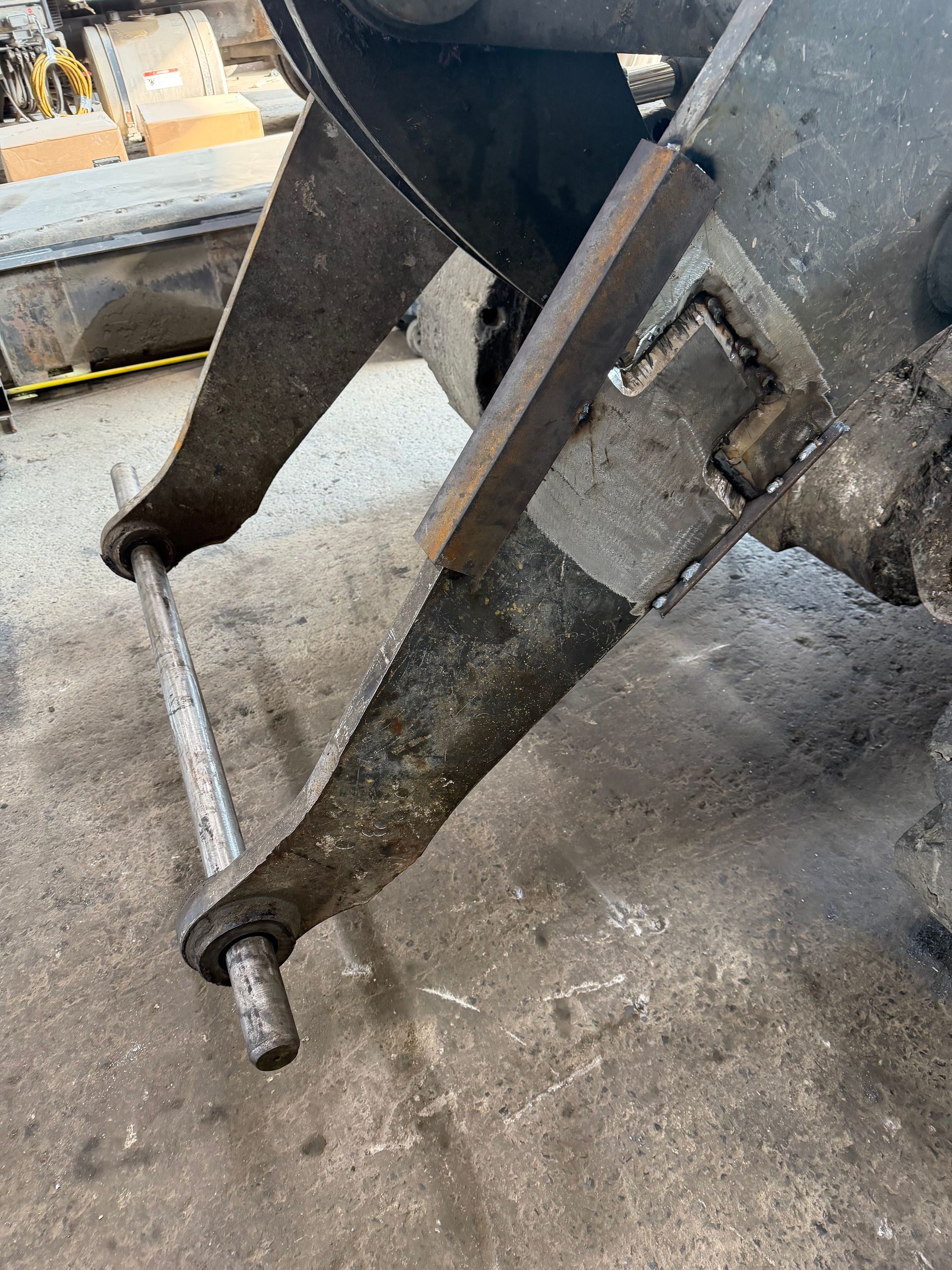
When heavy equipment goes down, every hour of downtime can affect a project’s schedule and bottom line. For contractors and equipment owners, a major component failure can quickly turn into a major repair bill—but replacement isn’t always the only solution. Recently, Delaware Valley Contractors’ (DVC) shop team put that philosophy into action when a customer’s John Deere 544K wheel loader suffered a catastrophic pin failure in the front bucket and lift arm assembly. The damage was extensive. The front end of the loader was twisted and significantly out of alignment, leaving the machine in need of major repairs. Replacing the damaged components with new or used parts was estimated to cost more than $20,000 before labor. Rather than automatically replacing the entire assembly, DVC technicians took a closer look at what could be salvaged and repaired. Precision Repairs That Put Equipment Back to Work Heavy equipment repair requires more than welding damaged metal back together. Structural components must be properly evaluated, aligned, reinforced, and repaired to help ensure the finished assembly performs as intended. DVC’s technicians began by carefully assessing the damaged components. Salvageable parts were straightened using a 100-ton press, helping restore the components before additional repair work began. The bent lift arm required a more extensive solution. Technicians precisely cut above the damaged area, and a matching section from another arm was measured, fitted, and aligned using a test bar to ensure both arms remained true and equal in length throughout the repair. Maintaining proper alignment was critical to completing the repair correctly and preventing additional issues when the loader was reassembled.
By Delaware Valley Contractors • July 31, 2026
From crossing busy rivers to spanning vast bays, bridges are more than transportation routes; they are engineering achievements that connect communities, strengthen commerce, and keep people and goods moving safely. Every day, millions of drivers travel across bridges without realizing the incredible planning, innovation, and construction expertise required to build them. At Delaware Valley Contractors (DVC), we appreciate the craftsmanship and precision that go into every infrastructure project. While our team specializes in heavy hauling and transportation solutions that support major construction projects throughout the region, we also recognize the remarkable engineering that makes modern transportation possible. Here are five extraordinary bridges that have transformed travel and continue to inspire engineers and contractors alike.
By Delaware Valley Contractors • July 20, 2026
Summer is heating up for our drivers. Delaware Valley Contractors (DVC) has provided transportation for a variety of demolition and excavation projects. Each required a strategic solution to achieve success. Let’s take a look at some project highlights from the past few months.
By Delaware Valley Contractors • June 29, 2026
Stay Safe This Independence Day: A Guide for Professional Drivers
By Delaware Valley Contractors • June 15, 2026
The trucking industry moves billions of tons of freight across the country each year. While technology has improved efficiency, visibility, and communication throughout the supply chain, it has also created new opportunities for fraud. One of the fastest-growing threats facing carriers, brokers, shippers, and logistics providers today is the rise of "ghost fleets." Ghost fleets are fraudulent trucking operations that appear legitimate on paper but exist primarily to steal freight, commit financial fraud, or exploit weaknesses within the transportation industry. As cargo theft and logistics fraud continue to increase nationwide, understanding ghost fleets has become critical for businesses involved in freight transportation. What Is a Ghost Fleet? A ghost fleet is a fictitious or deceptive trucking company that uses stolen identities, fabricated credentials, or manipulated business records to secure freight loads. These organizations often create convincing online profiles, obtain operating authority, and present themselves as legitimate carriers. In many cases, ghost fleets use: Stolen U.S. Department of Transportation (USDOT) numbers Fraudulent Motor Carrier (MC) numbers Fake insurance documentation Spoofed phone numbers and email addresses Fraudulent websites and business registrations Identity theft involving legitimate carriers Once they gain access to freight opportunities, these bad actors may steal cargo, disappear, or broker loads illegally to unauthorized carriers. Why Are Ghost Fleets Increasing? Several factors have contributed to the growth of ghost fleets across the United States. Increased Digitalization The transportation industry has rapidly embraced digital freight matching platforms, online load boards, electronic documentation, and remote communication tools. While these technologies improve efficiency, they also create opportunities for criminals to exploit verification gaps. High-Value Cargo Opportunities Consumer goods, electronics, pharmaceuticals, food products, and construction materials often carry significant value. Criminal organizations recognize that a single successful theft can result in substantial financial gain. Supply Chain Complexity Modern supply chains involve numerous stakeholders, including shippers, brokers, carriers, warehouses, and third-party logistics providers. The more parties involved, the more opportunities exist for fraudulent actors to infiltrate the process. Sophisticated Fraud Techniques Today's fraudsters are increasingly sophisticated. They can create professional-looking websites, replicate legitimate carrier information, and use AI tools to generate convincing communications that make detection more difficult. Common Ghost Fleet Tactics Understanding how ghost fleets operate can help transportation professionals identify potential warning signs. Identity Cloning One of the most common schemes involves impersonating a legitimate carrier. Fraudsters may copy company logos, DOT numbers, addresses, and insurance information while slightly modifying contact details. Double Brokering In a double-brokering scheme, a fraudulent carrier accepts a load and then reassigns it to another carrier without authorization. This practice creates confusion regarding responsibility, payment, and cargo security. Load Interception Ghost fleets may obtain shipment details and intercept freight before it reaches its intended destination. By posing as the assigned carrier, they can take possession of cargo and disappear. Fake Carrier Authorities Some fraudulent operations obtain legitimate authority through deceptive means and use it to establish credibility before committing theft or fraud. The Financial Impact on the Industry The consequences of ghost fleet activity extend far beyond stolen cargo. Victims may experience: Lost freight and inventory Delayed deliveries Increased insurance premiums Legal disputes Damaged customer relationships Operational disruptions Reputational harm For brokers and shippers, a single fraudulent transaction can result in significant financial losses and long-term business challenges. The Future of Freight Security Ghost fleets represent a growing challenge for the trucking and logistics sectors. However, increased awareness, stronger verification practices, improved technology, and industry collaboration are helping businesses combat this threat. The most successful carriers, brokers, and shippers will be those that prioritize security alongside efficiency. By implementing robust vetting procedures and remaining vigilant, transportation companies can reduce risk and protect valuable cargo from fraudulent operators. Final Thoughts The rise of ghost fleets highlights the importance of diligence in today's increasingly digital transportation landscape. As criminals develop more sophisticated methods for infiltrating supply chains, the industry must take proactive security measures. Whether you're a carrier, freight broker, logistics provider, or shipper, understanding the warning signs of ghost fleet activity can help safeguard your business, protect your customers, and ensure freight reaches its destination safely. By combining technology, training, and thorough verification processes, the trucking industry can continue moving forward while minimizing the risks posed by fraudulent operations.